Address
Room 2301C, 23rd Floor, Building 1, jinghu Commercial center, No, 34, Liangzhuang Street, Eri District, Zhengzhou City, Henan province
Work Hours
Monday to Friday: 7AM - 7PM
Weekend: 10AM - 5PM
Address
Room 2301C, 23rd Floor, Building 1, jinghu Commercial center, No, 34, Liangzhuang Street, Eri District, Zhengzhou City, Henan province
Work Hours
Monday to Friday: 7AM - 7PM
Weekend: 10AM - 5PM

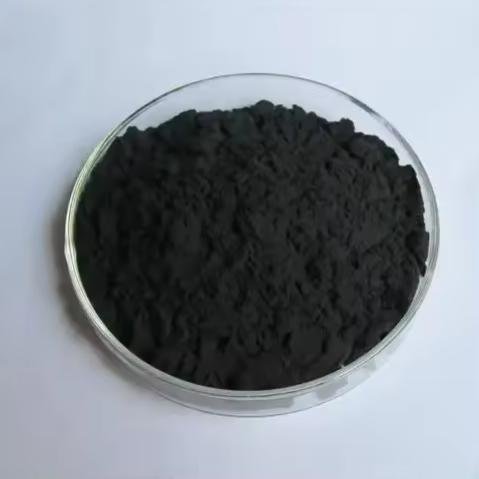
Lithium Iron Phosphate (LFP), with the chemical formula LiFePO₄, is a cathode material used in lithium-ion batteries. It belongs to the family of polyanionic phosphates featuring an olivine structure and is composed of four elements: lithium, iron, phosphorus, and oxygen. As a crucial electrode material for secondary batteries, LFP boasts significant advantages—including high safety, a long cycle life, low cost, and environmental friendliness—and is widely utilized in power batteries for new energy vehicles, large-scale energy storage systems, and consumer electronics.
Lithium iron phosphate (LFP) batteries currently stand as one of the mainstream choices for power batteries in new energy vehicles. Leveraging their advantages in high safety, long lifespan, and low cost, they hold a dominant position in the commercial vehicle sector—such as buses and logistics vehicles—as well as in the mid-to-low-end passenger vehicle market.
Energy storage systems impose extremely stringent requirements regarding safety and cycle life, and the performance of lithium iron phosphate aligns perfectly with these criteria. Furthermore, as energy storage systems typically require stable operation over extended periods, the inherent long-lifespan characteristics of lithium iron phosphate contribute to reducing operation and maintenance costs.
Technical Specifications:
|
Product
|
LiFePO4
|
Type
|
|
Item
|
Unit
|
Standard
|
|
Appearance
|
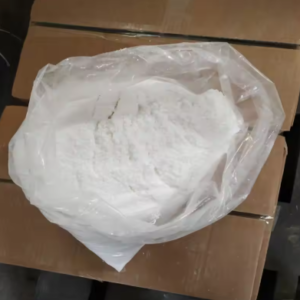
Ash black powder
|
|
|
D10
|
μm
|
0.6±0.2
|
|
D50
|
μm
|
2.0±0.5
|
|
D90
|
μm
|
10±2.0
|
|
Moisture
|
%
|
≤0.1
|
|
SSA
|
m2/g
|
15±2
|
|
TAP Density
|
g/cm³
|
1.1±0.2
|
|
C content
|
%
|
1.7±0.3
|
|
1st capacity
|
mAh/g
|
≥142
|
Package:
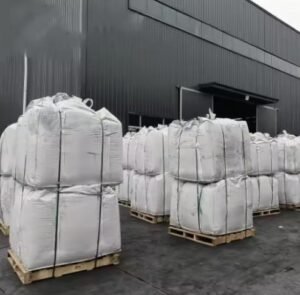
1kg / 1000kg bag
Palletized Shipping
Lead Time: 1-7 Days
Shipping Methods: Sea/Air/Express delivery