Address
Room 2301C, 23rd Floor, Building 1, jinghu Commercial center, No, 34, Liangzhuang Street, Eri District, Zhengzhou City, Henan province
Work Hours
Monday to Friday: 7AM - 7PM
Weekend: 10AM - 5PM
Address
Room 2301C, 23rd Floor, Building 1, jinghu Commercial center, No, 34, Liangzhuang Street, Eri District, Zhengzhou City, Henan province
Work Hours
Monday to Friday: 7AM - 7PM
Weekend: 10AM - 5PM

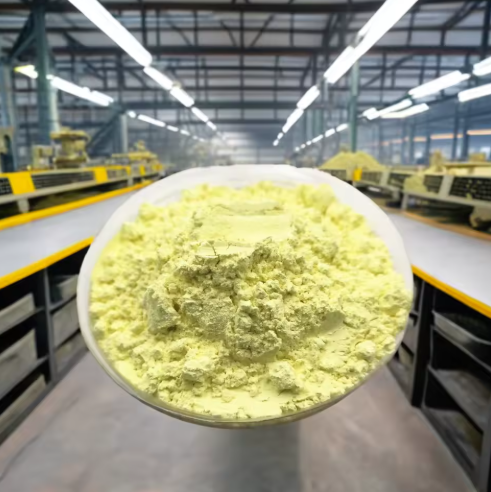
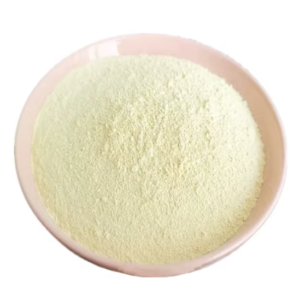
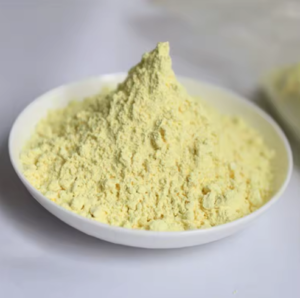
Bismuth(III) oxide (chemical formula Bi₂O₃) is an inorganic compound that, at room temperature, typically appears as a heavy yellow powder or monoclinic crystals. It is the most stable oxide form of bismuth and exhibits distinct thermochromic properties: upon heating, its color shifts from yellow to reddish-brown, and it reverts to its original color upon cooling.
In the electronics industry, it serves as a key additive in the manufacture of electronic ceramics, varistors, thermistors, and multilayer ceramic capacitors (MLCCs), significantly enhancing the electrical properties of these materials.
In the energy sector, its unique cubic crystalline phase (δ-Bi₂O₃) is considered a promising candidate for use as an electrolyte material in solid oxide fuel cells (SOFCs), owing to its exceptionally high oxygen-ion conductivity.
Furthermore, bismuth oxide finds widespread application in various other fields, including bismuth-based high-temperature superconducting materials, photocatalysts, glass colorants, gastric medications, and eco-friendly flame retardants.
Technical Specifications:
|
Test Item
|
Result
|
|
Bi₂O₃
|
99.99%
|
|
Ag
|
5.0ppm
|
|
Pb
|
2.0ppm
|
|
Ni
|
1.0ppm
|
|
Cl
|
5.0ppm
|
|
Cd
|
0.5ppm
|
|
Mg
|
0.5ppm
|
|
Na
|
1.5ppm
|
|
Fe
|
3.0ppm
|
|
Cu
|
1.5ppm
|
|
Al
|
1.0ppm
|
|
Ca
|
2.2ppm
|
|
SO42-
|
5.0ppm
|
|
Au
|
1.0ppm
|
|
Bi
|
89.7%
|
|
LOI
|
0.1%
|
Package:
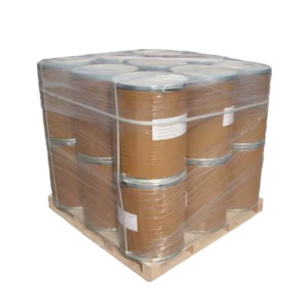
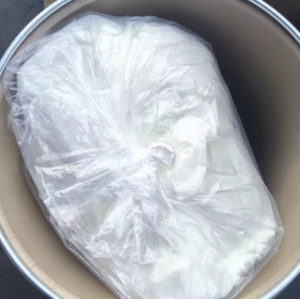
1kg / 25kg Bucket
Palletized Shipping
Lead Time: 1-7 Days
Shipping Methods: Sea/Air/Express delivery