Address
Room 2301C, 23rd Floor, Building 1, jinghu Commercial center, No, 34, Liangzhuang Street, Eri District, Zhengzhou City, Henan province
Work Hours
Monday to Friday: 7AM - 7PM
Weekend: 10AM - 5PM
Address
Room 2301C, 23rd Floor, Building 1, jinghu Commercial center, No, 34, Liangzhuang Street, Eri District, Zhengzhou City, Henan province
Work Hours
Monday to Friday: 7AM - 7PM
Weekend: 10AM - 5PM

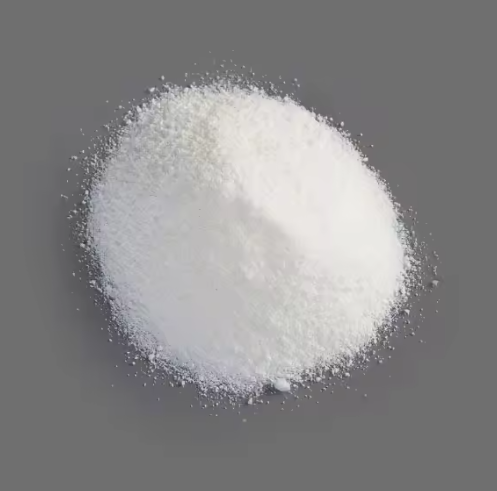
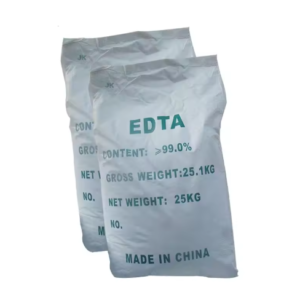
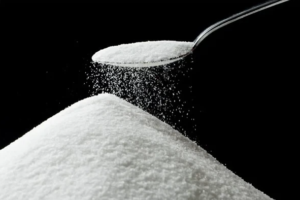
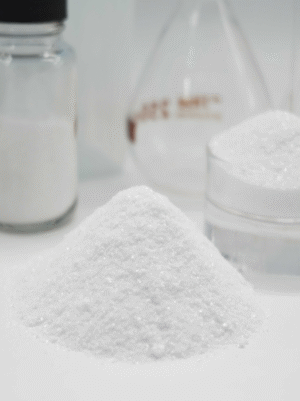
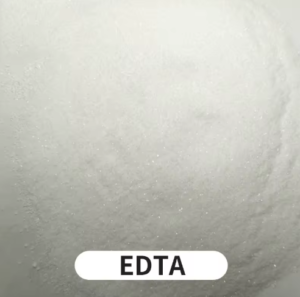
Ethylenediaminetetraacetic acid—abbreviated as EDTA—is an organic compound with the chemical formula C₁₀H₁₆N₂O₈. Under standard temperature and pressure, EDTA typically appears as a white crystalline powder that is odorless and tasteless. It is a significant aminocarboxylic complexing agent; its molecular structure contains two amino groups and four carboxyl groups, enabling it to tightly “grip” most metal ions—much like the pincers of a crab—to form stable, water-soluble complexes. Consequently, it is widely referred to as the “universal chelating agent.”
In the medical field, EDTA and its salts possess significant practical value. Their most common application is as blood anticoagulants, typically utilizing dipotassium EDTA (EDTA-K₂) or tripotassium EDTA. By chelating calcium ions present in the blood, these compounds block the conversion of prothrombin into thrombin, thereby effectively preventing blood coagulation; they are frequently employed in routine blood tests and blood typing procedures. Furthermore, EDTA is clinically utilized to treat heavy metal poisoning—such as that caused by lead or mercury—by chelating toxic metal ions within the body and facilitating their excretion via urine.
In the industrial sector, EDTA serves as a crucial water treatment agent and detergent additive. In boiler water treatment, it binds with calcium and magnesium ions in the water to prevent the formation of scale and mitigate equipment corrosion. In detergents, disodium EDTA acts as a chelating agent to soften hard water, eliminating the interference of metal ions with the cleaning process and thereby enhancing detergent efficacy. Additionally, EDTA is widely used in the textile dyeing and printing industry for dye fixation and fabric processing.
In the agricultural realm, EDTA is primarily used in the formulation of trace element fertilizers. Since the uptake of trace elements—such as iron, zinc, and manganese—by plants is often susceptible to interference from soil pH levels and other ions, converting these metal elements into EDTA chelates (e.g., EDTA-Fe, EDTA-Zn) enhances their mobility and bioavailability within the plant. This approach effectively prevents trace element deficiencies in crops and improves overall crop quality.
EDTA is an indispensable reagent in both biological and chemical laboratories. In molecular biology experiments, it frequently serves as an inhibitor for nucleases and proteases; given that the activity of many enzymes is dependent on magnesium ions (Mg²⁺) or calcium ions (Ca²⁺), EDTA effectively suppresses enzymatic activity—thereby preventing the degradation of DNA or proteins—by chelating these ions. Concurrently, EDTA is a common component of dissociation solutions used in cell culture, where it functions to disrupt intercellular junctions and facilitate cell detachment. In analytical chemistry, EDTA titration stands as the standard method for determining water hardness and quantifying the concentration of metal ions.
Product Specifications:
| Inspection items | quality index | Inspection results |
| appearance | White powder | White powder |
| Chloride (Cl -,%) | ≤0.01 | ≤0.01 |
| Sulfate (SO42 -,%) | ≤0.1 | <0.1 |
| Content (%) | ≥99.0 | 99.40 |
Package:
1kg/25kg Bag
Palletized Shipping
Lead Time: 1-7 Days
Shipping Methods: Sea/Air/Express delivery