Address
Room 2301C, 23rd Floor, Building 1, jinghu Commercial center, No, 34, Liangzhuang Street, Eri District, Zhengzhou City, Henan province
Work Hours
Monday to Friday: 7AM - 7PM
Weekend: 10AM - 5PM
Address
Room 2301C, 23rd Floor, Building 1, jinghu Commercial center, No, 34, Liangzhuang Street, Eri District, Zhengzhou City, Henan province
Work Hours
Monday to Friday: 7AM - 7PM
Weekend: 10AM - 5PM

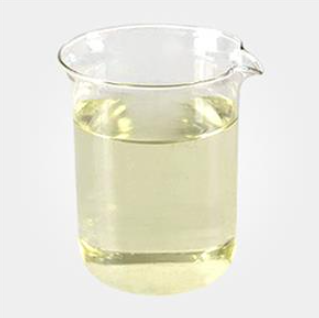
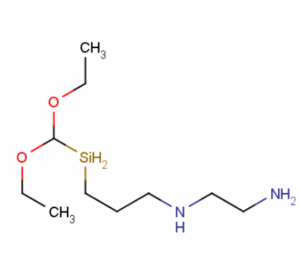
N-(2-Aminoethyl)-3-aminopropylmethyldiethoxysilane is a silane coupling agent featuring dual amino functional groups. Its molecular structure incorporates both hydrolyzable ethoxy groups and reactive amino groups, enabling it to act as a “bridge” that bonds inorganic materials—such as glass and metal—with organic polymer materials like resins and rubber.
As a vital chemical additive, this compound plays a key role in modern industry. In the field of composite materials, it significantly enhances the mechanical strength and water resistance of glass fiber-reinforced plastics; in the textile industry, it serves as a crucial raw material for producing soft, antistatic fabrics; additionally, it finds widespread application in high-performance adhesives, sealants, and the surface modification of biomedical materials.
Function
This compound serves as a highly efficient coupling agent in the manufacture of glass fiber-reinforced plastics (commonly known as fiberglass) and resin-based composites. When glass fibers are treated with it, the compound displaces the sizing agents on the fiber surface, creating a robust interfacial layer between the glass fibers and the matrix (such as epoxy or polyester resins). Acting much like a powerful adhesive, this interfacial layer firmly bonds the inorganic glass fibers to the organic resin. This not only enhances the composite’s tensile and flexural strengths but also significantly improves water resistance in humid environments, effectively preventing delamination.
In the textile industry, N-(2-aminoethyl)-3-aminopropylmethyldiethoxysilane is a key raw material for synthesizing amino-modified silicone oils. By chemically grafting it onto polysiloxane chains, amino-functional polysiloxane emulsions can be produced. These amino-silicone oils are widely used in the finishing of fabrics made from cotton, linen, silk, wool, and synthetic fibers. The treatment coats the fabric surface with an ultra-thin silicone film that significantly improves the “hand-feel,” making the fabric soft, smooth, and supple with excellent drape. Additionally, it imparts superior antistatic and wrinkle-resistant properties, greatly enhancing the fabric’s wearability and wash durability.
It is frequently employed as an adhesion promoter in adhesives and sealants. Incorporating even small amounts into polysulfide sealants, polyurethane sealants, epoxy adhesives, or nitrile rubber adhesives significantly boosts bond strength on difficult-to-bond substrates such as glass, metals (e.g., aluminum, steel), and concrete. Particularly in structural adhesives for the automotive industry and high-performance construction sealants, it effectively prevents debonding or peeling during long-term use, thereby ensuring the reliability of the sealed structure.
In coating systems, this compound primarily functions as a dispersing agent and coupling agent for pigments and fillers. When incorporated into the production of paints or coatings, it improves the dispersion of inorganic pigments—such as titanium dioxide and talc—within organic resins and prevents pigment settling, thereby ensuring coating uniformity. Additionally, it enhances the coating’s adhesion to the substrate as well as its weatherability, chemical resistance, and abrasion resistance, making it particularly suitable for anti-corrosion applications in outdoor or harsh environments.
Leveraging the reactivity of the amino groups in its molecules and the biocompatibility of the siloxane component, this compound is also utilized for the surface modification of biomaterials. For instance, in the surface treatment of medical implants such as artificial joints and cardiovascular stents, it improves surface properties, reduces non-specific protein adsorption and cytotoxicity, and promotes cell adhesion and growth. Furthermore, it is employed in the preparation of antimicrobial coatings and sustained-release drug carriers, and serves as an interfacial modifier in electronic packaging materials to enhance their reliability.
Technical Specifications:
|
Items |
Result |
|
Appearance |
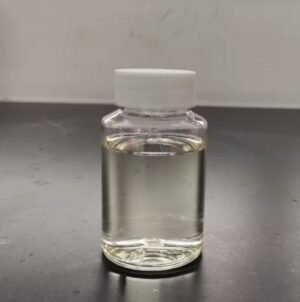
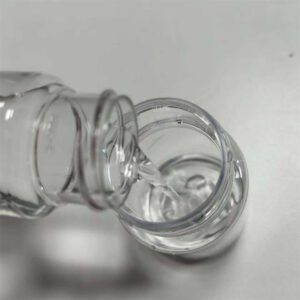
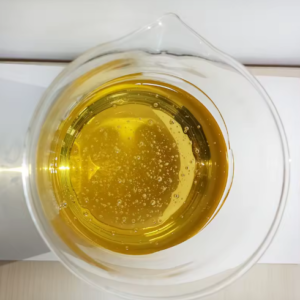
A low-viscosity, clear, and transparent liquid ranging from colorless to pale yellow, with a slight ammoniacal odor. |
|
Density (ρ20), g/cm³ |
0.920 |
|
Boiling point (760 mmHg), °C |
290 |
|
Solubility |
Soluble in common aliphatic and aromatic solvents such as alcohols, esters, ethers, and benzene; reacts with acetone and carbon tetrachloride; soluble in water but undergoes hydrolysis. |
|
MW |
234.42 |
Package:
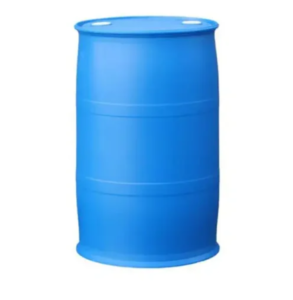
1Kg / 200Kg Bucket
Palletized Shipping
Lead Time: 1-7 Days
Shipping Methods: Sea/Air/Express delivery