Address
Room 2301C, 23rd Floor, Building 1, jinghu Commercial center, No, 34, Liangzhuang Street, Eri District, Zhengzhou City, Henan province
Work Hours
Monday to Friday: 7AM - 7PM
Weekend: 10AM - 5PM
Address
Room 2301C, 23rd Floor, Building 1, jinghu Commercial center, No, 34, Liangzhuang Street, Eri District, Zhengzhou City, Henan province
Work Hours
Monday to Friday: 7AM - 7PM
Weekend: 10AM - 5PM

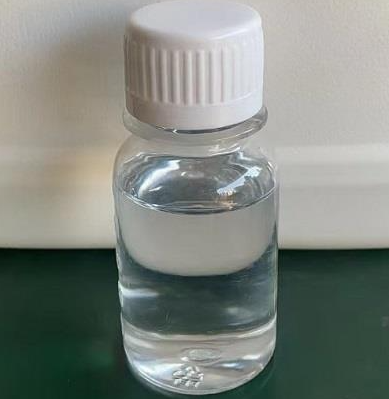
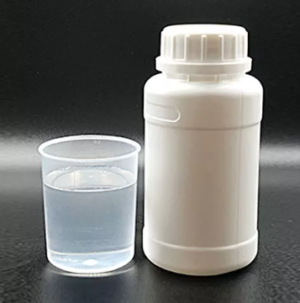
N,N-Diethyl-3-(trimethoxysilyl)propan-1-amine is an important organosilane coupling agent. Its molecular structure features both a reactive amino group and hydrolyzable methoxysilane groups; this unique “dual-function” structure allows it to act as a “molecular bridge,” firmly bonding inorganic materials (such as glass and metal oxides) with organic polymer materials (such as resins and rubber). Typically appearing as a colorless to pale yellow transparent liquid with a faint amine odor, it is widely used in industries such as composites, coatings, adhesives, and sealants. It serves primarily as a glass fiber treatment agent, an inorganic filler modifier, and an adhesion promoter, significantly enhancing the mechanical strength, water resistance, and aging resistance of materials.
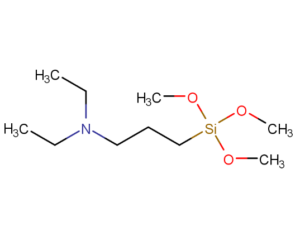
Comparable Products:
UCT:D4477
Function
In the field of composite materials, N,N-diethyl-3-aminopropyltrimethoxysilane is primarily used as a surface treatment agent for glass fibers. Glass fibers are inorganic materials, whereas resin matrices are typically organic; consequently, the interfacial bonding strength between them is inherently weak. Treating glass fibers with this coupling agent forms an organosilane film on the fiber surface, effectively bridging the glass fibers and the resin matrix. Experimental results demonstrate that glass fiber-reinforced composites treated with this coupling agent exhibit significantly improved tensile, flexural, and interlaminar shear strengths in both dry and wet states. Furthermore, it is widely used for the surface modification of inorganic fillers (such as silica, talc, mica, and kaolin). Treatment with this agent significantly improves the dispersion and wettability of fillers within polymer matrices, allowing for higher filler loading while maintaining or even enhancing the material’s physical and mechanical properties.
In the coatings, adhesives, and sealants industries, this compound serves as a highly effective adhesion promoter. When added to coatings or adhesives, it migrates to the interface between the coating or adhesive layer and the inorganic substrate (e.g., glass, aluminum, or steel). Its silane moiety reacts with the substrate surface to form chemical bonds, while the amino group bonds with polymer chains, thereby significantly enhancing the adhesion strength between the coating or adhesive and the substrate. Additionally, this coupling action effectively improves the coating’s water resistance, corrosion resistance, and aging resistance, thereby extending the product’s service life.
In the foundry industry, N,N-diethyl-3-aminopropyltrimethoxysilane is utilized in resin-bonded sand casting. It enhances the bonding strength between the resin and silica sand as well as the overall strength of the molding sand, resulting in improved casting surface quality and a reduction in porosity and defects. Moreover, by chemically bonding to substrates such as silica, the substance can be used to prepare catalyst supports for epoxidation reactions or adsorbents for carbon dioxide capture, playing a valuable role in environmental protection and catalysis.
Technical Specifications:
|
Items |
Result |
|
Appearance |
A low-viscosity, clear, and transparent liquid ranging from colorless to pale yellow, with a slight ammoniacal odor. |
|
Density (ρ20), g/cm³ |
0.936 |
|
Refractive index |
1.4220 |
|
Solubility |
It is soluble in common aliphatic and aromatic solvents such as alcohols, ethers, and benzene, and reacts with ketones, alcohols, and carbon tetrachloride; it is readily soluble in water but simultaneously undergoes hydrolysis. |
|
Purity |
>98% |
Package:
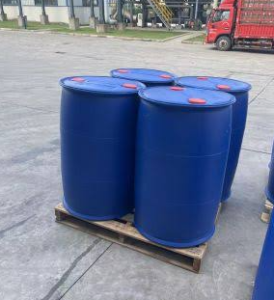
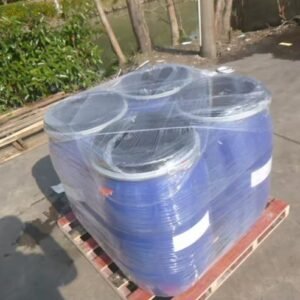
1Kg / 200Kg Bucket
Palletized Shipping
Lead Time: 1-7 Days
Shipping Methods: Sea/Air/Express delivery