Address
Room 2301C, 23rd Floor, Building 1, jinghu Commercial center, No, 34, Liangzhuang Street, Eri District, Zhengzhou City, Henan province
Work Hours
Monday to Friday: 7AM - 7PM
Weekend: 10AM - 5PM
Address
Room 2301C, 23rd Floor, Building 1, jinghu Commercial center, No, 34, Liangzhuang Street, Eri District, Zhengzhou City, Henan province
Work Hours
Monday to Friday: 7AM - 7PM
Weekend: 10AM - 5PM

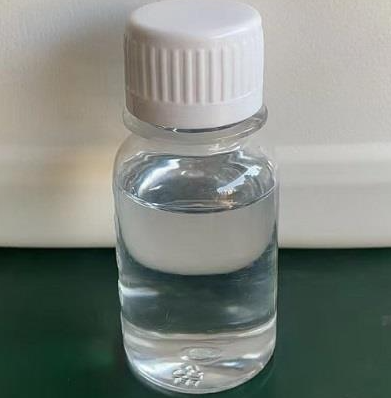
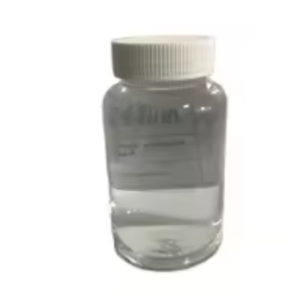
Phenyltrimethoxysilane, with the chemical formula C₉H₁₄O₃Si, is an important organosilicon compound and belongs to the silane coupling agent family. This substance is a colorless to pale yellow transparent liquid at room temperature with a characteristic ester odor. Its molecular structure contains one phenyl group and three methoxy groups. As a high-performance coupling agent, it can build “molecular bridges” between inorganic materials (such as glass and metal oxides) and organic polymers (such as resins and rubber), effectively improving the interfacial bonding between the two. Phenyltrimethoxysilane is widely used in composite materials, coatings, adhesives, surface treatment agents, and other fields. It is also a key intermediate in the preparation of high-end organosilicon materials such as phenyl silicone resins and phenyl silicone oils.
Comparable Products:
Dow Corning Z-6124
Evonik: 9165
Shinetsu: KBM-103
Momen-tive:A-153
In the manufacture of glass fiber reinforced plastics (FRP) and mineral-filled composites, phenyltrimethoxysilane is a commonly used surface treatment agent. Inorganic fillers such as glass fibers, calcium carbonate, and talc typically contain hydroxyl groups on their surfaces, which easily absorb moisture, leading to poor compatibility with organic resins. Treatment with phenyltrimethoxysilane forms an organosilicon-modified layer on the surface of the inorganic filler, significantly improving its dispersibility and compatibility in organic matrices such as epoxy resins and polyester resins. This not only increases the filler content of the composite material but also significantly enhances tensile strength, flexural strength, and impact resistance.
In the coatings and adhesives industry, phenyltrimethoxysilane is often used as an adhesion promoter and crosslinking agent. Many organic coatings are difficult to bond firmly to hydrophilic inorganic substrates (such as metals, glass, and concrete), easily resulting in peeling or blistering. Adding phenyltrimethoxysilane allows it to migrate to the substrate surface and form chemical bonds, thereby enhancing the coating’s adhesion, water resistance, scrub resistance, and aging resistance. Especially in water-based coating systems, it effectively solves the adhesion problem between organic polymers and hydrophilic surfaces.
Utilizing its hydrolytic condensation properties, phenyltrimethoxysilane can be used for surface modification of materials such as metals, glass, and ceramics. A dense hydrophobic film is formed on the material surface through chemical vapor deposition or solution immersion. This modified surface exhibits excellent hydrophobicity, corrosion resistance, and anti-adhesion properties. For example, the hydrophobic layer formed on glass surfaces can be used to prepare self-cleaning or anti-fog glass, while on metal surfaces it provides rust and corrosion protection.
Phenylenetrimethoxysilane is also an important monomer for preparing high-end organosilicon materials such as phenyl silicone resins, phenyl silicone oils, and silicone rubber. Due to the introduction of phenyl groups, these materials have higher thermal stability and radiation resistance than ordinary methylsiloxane materials, and are therefore widely used in electronic packaging materials to improve the heat resistance and insulation of semiconductor components. Furthermore, in the cosmetics field, it can also be used as a thickener and waterproofing agent to improve the texture and sweat resistance of skincare products.
Technical Specifications:
| Appearance | Colorless Liquid | |||
| Purity | ≥99.0% | |||
| Boiling point | 233 °C(lit.) | |||
| Refractive index | n20/D 1.468(lit.) | |||
| Melting point | -25°C | |||
| Flashing point |
99 °F |
|||
Package:
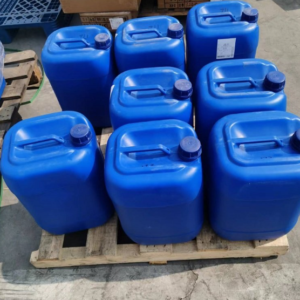
1Kg / 25Kg Bucket
Palletized Shipping
Lead Time: 1-7 Days
Shipping Methods: Sea/Air/Express delivery