Address
Room 2301C, 23rd Floor, Building 1, jinghu Commercial center, No, 34, Liangzhuang Street, Eri District, Zhengzhou City, Henan province
Work Hours
Monday to Friday: 7AM - 7PM
Weekend: 10AM - 5PM
Address
Room 2301C, 23rd Floor, Building 1, jinghu Commercial center, No, 34, Liangzhuang Street, Eri District, Zhengzhou City, Henan province
Work Hours
Monday to Friday: 7AM - 7PM
Weekend: 10AM - 5PM

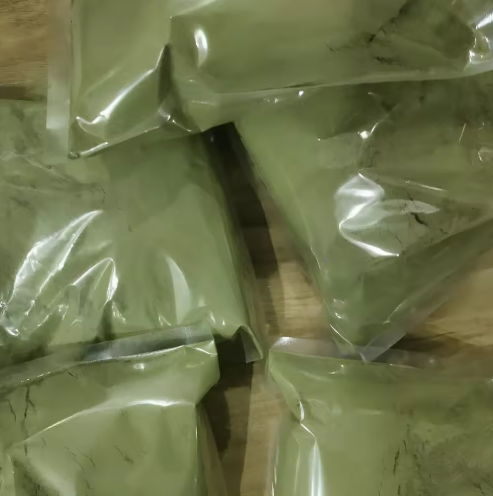
Polyaniline (PANI) is an intrinsically conductive polymer material with a conjugated π-electron structure, synthesized from aniline monomers through oxidative polymerization. As one of the most promising members of the conductive polymer family, polyaniline possesses advantages such as readily available raw materials, simple synthesis processes, good environmental stability, and unique doping-dedoping reversibility. Its conductivity can be precisely tuned across a wide range from insulators to metallic conductors through chemical or electrochemical doping, with maximum conductivity exceeding 100 S/cm.
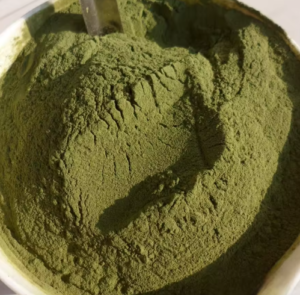
Polyaniline, due to its excellent reversible redox properties and high conductivity, is widely used in secondary batteries and supercapacitors, especially as an electrode material for lithium-ion batteries and supercapacitors. It can improve the electron transport rate and ion diffusion capability of the electrode, thereby increasing the charge/discharge rate and cycle life of the battery. Furthermore, polyaniline can be used to prepare all-solid-state batteries, offering advantages such as high safety and high energy density.
Utilizing its excellent conductivity, polyaniline is widely used as an electromagnetic shielding and antistatic material. Polyaniline coatings or composites can effectively reflect or absorb electromagnetic waves, protecting electronic equipment from electromagnetic interference (EMI). Simultaneously, because its conductivity is unaffected by ambient humidity, polyaniline fibers or coatings are also used to manufacture antistatic work clothes, packaging materials, etc., effectively eliminating the hazards caused by static electricity accumulation.
Polyaniline is a novel environmentally friendly metal corrosion-resistant material. Polyaniline coatings can form a dense protective film on metal surfaces, blocking the penetration of corrosive media, while its conductivity also inhibits electrochemical corrosion reactions. Compared to traditional heavy metal anti-corrosion coatings, polyaniline coatings are non-toxic, odorless, and possess self-healing properties, making them promising for applications in petrochemicals, marine engineering, and other fields.
The changes in the electrical and optical properties of polyaniline under different redox states make it an ideal sensor material. It can be used to detect pH values, humidity, specific gases (such as NH3 and H2S), and biomolecules (such as glucose). Furthermore, utilizing its electrochromic properties, polyaniline can be used to fabricate optical devices such as smart windows and electrochromic displays, enabling dynamic control of light.
Technical Specifications:
|
Item
|
specifications
|
|
EINECS No.
|
215-535-7
|
|
MF
|
C6H7N
|
|
Color
|
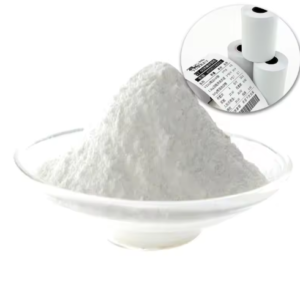
green or brown powder
|
|
Purity
|
99%
|
|
Type
|
Syntheses Material Intermediates
|
|
Application
|
coating Conducting State
|
Package:
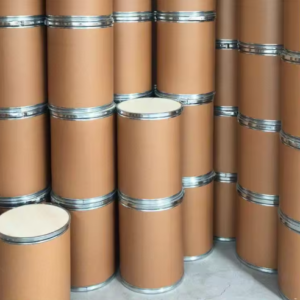
1kg /20kg Bag
Palletized Shipping
Lead Time: 1-7 Days
Shipping Methods: Sea/Air/Express delivery