Address
Room 2301C, 23rd Floor, Building 1, jinghu Commercial center, No, 34, Liangzhuang Street, Eri District, Zhengzhou City, Henan province
Work Hours
Monday to Friday: 7AM - 7PM
Weekend: 10AM - 5PM
Address
Room 2301C, 23rd Floor, Building 1, jinghu Commercial center, No, 34, Liangzhuang Street, Eri District, Zhengzhou City, Henan province
Work Hours
Monday to Friday: 7AM - 7PM
Weekend: 10AM - 5PM
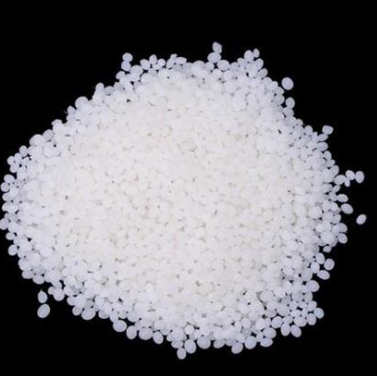
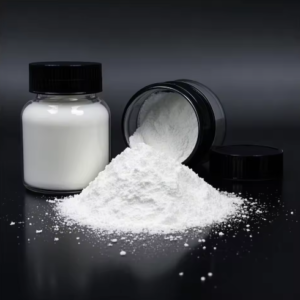
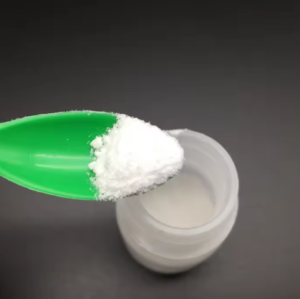
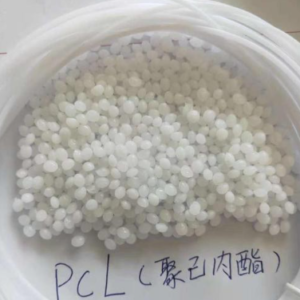
Polycaprolactone (PCL) is a synthetic, biodegradable polymeric material produced via the ring-opening polymerization of ε-caprolactone monomers. As a semi-crystalline polyester, PCL possesses a unique chemical structure in which its molecular backbone consists of alternating flexible methylene groups and polar ester linkages; this structure endows the material with excellent flexibility, a low melting point (approximately 60°C), ease of processability, and good biocompatibility.
Leveraging PCL’s fully biodegradable properties, the industrial sector has developed a wide range of eco-friendly products. In the packaging sector, PCL is utilized to manufacture biodegradable shopping bags, courier pouches, and disposable tableware. Compared to common polylactic acid (PLA), PCL exhibits superior flexibility, thereby resolving the issue of brittleness and cracking often associated with PLA materials.
In the agricultural sector, PCL is employed to produce fully biodegradable agricultural mulching films. After use, these films naturally decompose in the soil into carbon dioxide and water, effectively resolving the “white pollution” problem caused by residual traditional plastic mulches; furthermore, they help improve soil structure, thereby fostering favorable conditions for crop growth.
PCL fibers possess exceptional elasticity and softness, making them suitable for the manufacture of sportswear, medical bandages, and diapers, among other items. Not only do they impart a comfortable tactile quality to textiles, but they also degrade after disposal, thereby reducing the environmental burden.
In the realm of 3D printing, PCL stands as one of the preferred consumables for Fused Deposition Modeling (FDM) technology. Due to its low melting point (a mere 60°C), it generates minimal thermal stress during printing and is highly resistant to warping; moreover, its excellent biocompatibility allows for the direct printing of models for medical implants, and it is even utilized as a safe material for children’s DIY craft projects.
Technical Specifications:
|
Item
|
Specifications
|
Results
|
|
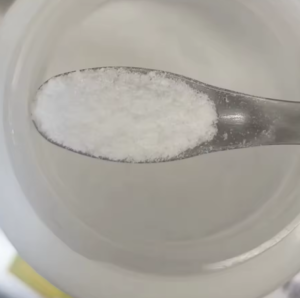
Characters
|
White round particles
|
White round particles
|
|
Inherent Viscosity
|
dl/g(Viscosimeter)
|
0.82 dl/g
|
|
MN
|
60000-80000
|
Conforms
|
|
Melt Index
|
22-26g /10 min150℃
|
23
|
|
Melting Point
|
58-60℃
|
60
|
|
Specific Gravity
|
1.08-1.12 g/ml(25℃)
|
1.12
|
|
Water Content
|
≤1.0%
|
0. 5%
|
|
Polydispersity index
|
≤1.8
|
1.8
|
|
Conclusion
|
The results conforms with enterprise standards
|
|
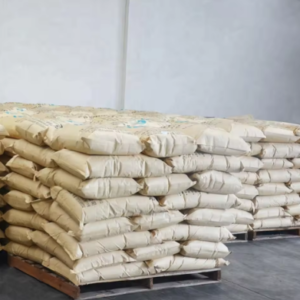
Package:
1kg / 25kg bag
Palletized Shipping
Lead Time: 1-7 Days
Shipping Methods: Sea/Air/Express delivery