Address
Room 2301C, 23rd Floor, Building 1, jinghu Commercial center, No, 34, Liangzhuang Street, Eri District, Zhengzhou City, Henan province
Work Hours
Monday to Friday: 7AM - 7PM
Weekend: 10AM - 5PM
Address
Room 2301C, 23rd Floor, Building 1, jinghu Commercial center, No, 34, Liangzhuang Street, Eri District, Zhengzhou City, Henan province
Work Hours
Monday to Friday: 7AM - 7PM
Weekend: 10AM - 5PM

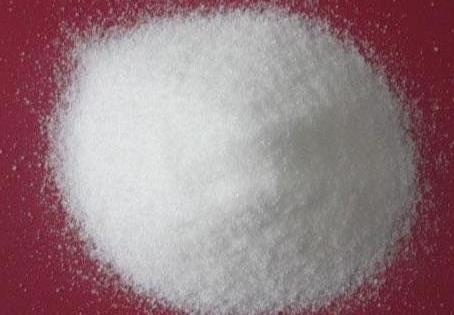
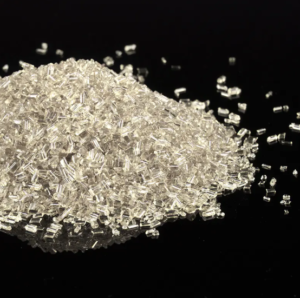
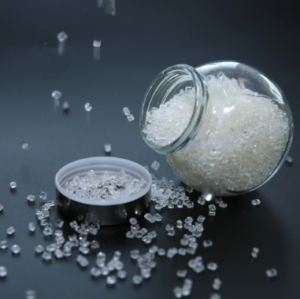
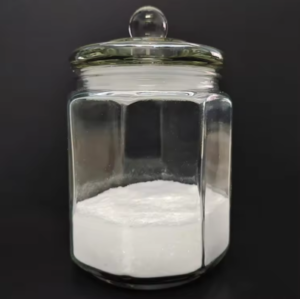
Polyvinyl alcohol (PVA) is a white, odorless, non-toxic, water-soluble polymer that typically appears as flakes, floccules, or powder. As a vital chemical raw material, PVA exhibits excellent film-forming, adhesive, emulsifying, and oil-resistant properties; furthermore, it is an environmentally friendly polymer material capable of complete microbial degradation in nature.
PVA was first discovered by German scientists in 1924, with industrial-scale production commencing in 1950. Currently, global PVA production is concentrated in countries such as China, Japan, and the United States, with China being the world’s largest producer. PVA is manufactured primarily from vinyl acetate through polymerization and alcoholysis reactions. Due to its unique physicochemical properties, PVA is widely used across various sectors, including textiles, papermaking, pharmaceuticals, food processing, construction, and cosmetics. In the textile industry, it serves as a key warp sizing agent and a raw material for vinylon fibers; in packaging, it is used to produce biodegradable, water-soluble films; and in the pharmaceutical field, its biocompatibility is leveraged to create pharmaceutical excipients and materials for artificial organs.
PVA is the primary raw material for producing vinylon (polyvinyl acetal fiber). Vinylon is characterized by good moisture absorption, abrasion resistance, and strength; it is widely used to manufacture industrial products such as ropes, fishing nets, canvas, and tarpaulins, as well as textiles like underwear and sportswear. Additionally, PVA is used directly for textile sizing; as a warp sizing agent, it enhances yarn strength and abrasion resistance, improves weaving efficiency, and reduces yarn breakage rates.
PVA films offer excellent gas barrier properties and transparency, making them suitable for packaging applications such as food and textiles. Biodegradable, water-soluble PVA films, in particular, are widely used in agricultural mulch, food preservation films, laundry detergent pod packaging, and industrial applications like water-soluble and anti-counterfeiting labels. After fulfilling their packaging function, these films dissolve completely in water, effectively reducing “white pollution” and meeting environmental standards.
Leveraging PVA’s excellent adhesive and film-forming properties, various adhesives—such as wood glue, paperboard adhesive, and construction adhesives—can be produced. PVA acetals (such as PVB) are key materials for manufacturing the interlayer films used in safety glass; they offer outstanding optical clarity and impact absorption, effectively preventing glass from shattering and scattering. In the coatings industry, PVA serves as a protective colloid to enhance emulsion stability.
Due to its excellent biocompatibility and safety, PVA is widely used in the pharmaceutical and food industries. In the pharmaceutical sector, it is used to manufacture medicinal films, artificial kidney membranes, eye drops, capsule shells, wound dressings, and sustained-release drug carriers. In the food industry, PVA serves as a food additive (compliant with the GB 2760 standard) to improve the texture, stability, and mouthfeel of products such as ice cream and jelly.
In the papermaking industry, PVA is used as a surface sizing agent and pigment processing agent, significantly improving paper surface strength, smoothness, and printability. In the construction sector, PVA serves as a reinforcing fiber for concrete (replacing asbestos), enhancing crack resistance and durability; it is also used to produce cement additives and waterproof coatings, thereby improving the performance of construction materials.
Technical Specifications:
|
Product Name
|
PVA 1388(L)
|
|
Alcoholysis degree(mol %)
|
86.0~90.0
|
|
Viscosity(mPa.s)
|
20.0-28.0
|
|
Sodium acetate(%)
|
≤2.8
|
|
Volatile consituent(%)
|
≤7
|
|
Ash content(%)
|
≤1
|
|
PH
|
5~7
|
Package:
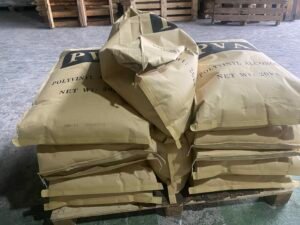
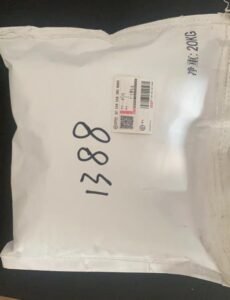
1kg / 20kg Bag
Palletized Shipping
Lead Time: 1-7 Days
Shipping Methods: Sea/Air/Express delivery