Address
Room 2301C, 23rd Floor, Building 1, jinghu Commercial center, No, 34, Liangzhuang Street, Eri District, Zhengzhou City, Henan province
Work Hours
Monday to Friday: 7AM - 7PM
Weekend: 10AM - 5PM
Address
Room 2301C, 23rd Floor, Building 1, jinghu Commercial center, No, 34, Liangzhuang Street, Eri District, Zhengzhou City, Henan province
Work Hours
Monday to Friday: 7AM - 7PM
Weekend: 10AM - 5PM

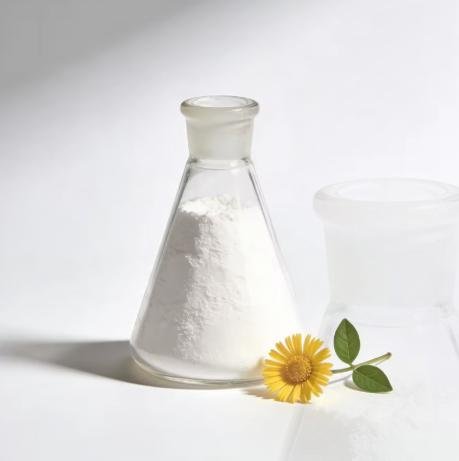
Maleic hydrazide is a chemical compound. This compound is commonly used as a plant growth regulator and affects the growth and flowering processes of some crops. Maleic hydrazide can inhibit auxin in plants, and therefore it is often used in agriculture to control plant growth, delay flowering, or inhibit root and stem growth.
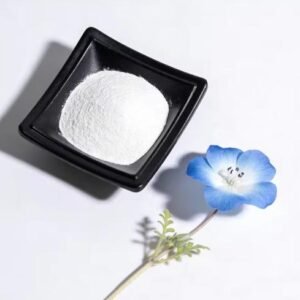
Malonyl hydrazide itself exhibits inherent fluorescent properties, and its fluorescence intensity demonstrates high sensitivity and selectivity toward copper ions (Cu²⁺). When malonyl hydrazide binds with copper ions to form a coordination complex, its fluorescence signal undergoes significant quenching. Based on this principle, malonyl hydrazide has been developed as a novel fluorescent probe.
It serves as a key raw material for the synthesis of certain pharmaceuticals—specifically, derivatives of the anti-tuberculosis drug isoniazid. Through the reaction of malonyl hydrazide with isoniazid, compounds possessing specific pharmacological activities can be synthesized; these compounds may exhibit anti-tuberculosis or other biological activities, finding application in the treatment of tuberculosis or in the research and development of novel drugs.
Technical Specifications:
|
Items
|
Specifications
|
|
Appearance
|
Form powder to crystal
|
|
Purity
|
≥99%min
|
|
Melting Point
|
170-171 °C (lit.)
|
|
Boiling Point
|
540.2±33.0 °C
|
|
Density
|
1.284±0.06 g/cm3(Predicted)
|
Package:
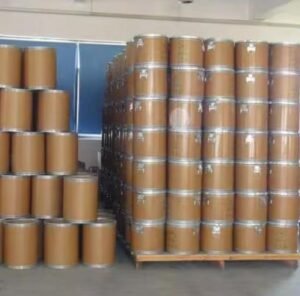
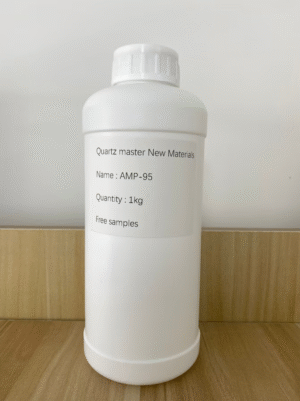
1kg / 25kg bucket
Palletized Shipping
Lead Time: 1-7 Days
Shipping Methods: Sea/Air/Express delivery