Address
Room 2301C, 23rd Floor, Building 1, jinghu Commercial center, No, 34, Liangzhuang Street, Eri District, Zhengzhou City, Henan province
Work Hours
Monday to Friday: 7AM - 7PM
Weekend: 10AM - 5PM
Address
Room 2301C, 23rd Floor, Building 1, jinghu Commercial center, No, 34, Liangzhuang Street, Eri District, Zhengzhou City, Henan province
Work Hours
Monday to Friday: 7AM - 7PM
Weekend: 10AM - 5PM

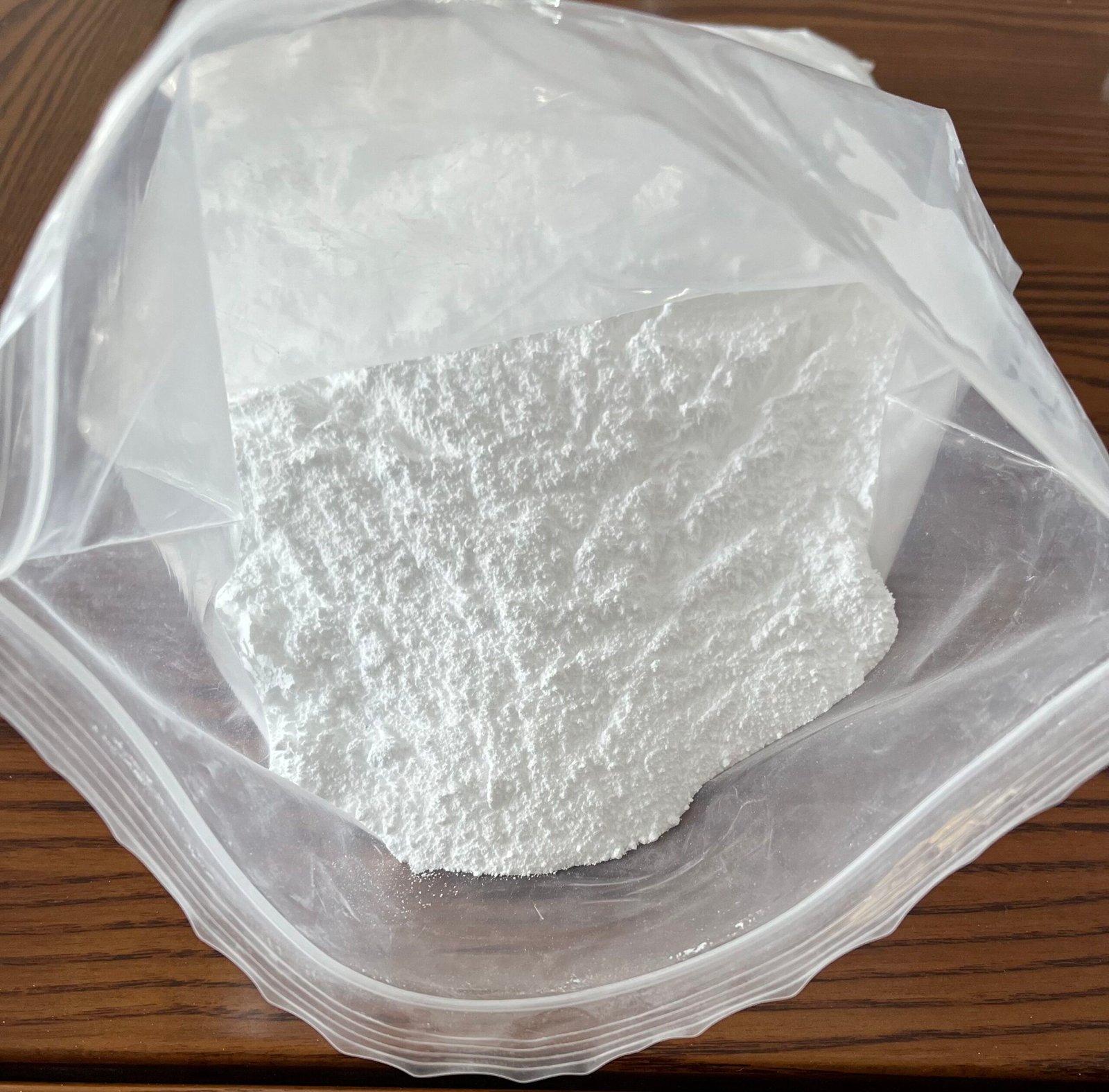
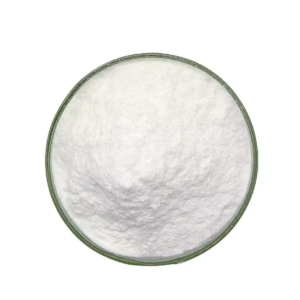
Aluminum oxide (Al₂O₃) is an amphoteric oxide with high hardness and a high melting point. In nature, aluminum oxide exists as corundum, with a Mohs hardness of 9, second only to diamond, making it one of the hardest substances in nature. Aluminum oxide possesses excellent high-temperature resistance, corrosion resistance, insulation, and high hardness, and is widely used in refractory materials, abrasives, ceramics, electronics, and aerospace.
Industrially, aluminum oxide is primarily extracted from bauxite through the Bayer process, invented by Austrian scientist Karl Joseph Bayer in 1887, which remains the mainstream production method globally. As a core raw material in the electrolytic aluminum industry, aluminum oxide accounts for over 95% of global production in the smelting of metallic aluminum.
Alumina is the core raw material for electrolytic aluminum production. In an electrolytic cell, alumina dissolves in a molten cryolite-alumina system, depositing metallic aluminum at the cathode and generating oxygen at the anode. Globally, approximately 95% of alumina is used to produce primary aluminum, supporting the development of basic industries such as construction, transportation, and packaging.
Utilizing alumina’s high melting point and high-temperature resistance, refractory bricks, crucibles, and high-temperature furnace tubes made from it are widely used in high-temperature industries such as steel, glass, and cement. High-purity alumina ceramics also possess excellent mechanical strength and insulation properties, and are used to manufacture precision components such as integrated circuit substrates, spark plugs, and cutting tools.
Activated alumina (γ-Al₂O₃), due to its large specific surface area and high adsorption activity, is widely used as a catalyst carrier and adsorbent in petroleum refining and petrochemicals. It is commonly used in processes such as deacidification of lubricating oil, purification of transformer oil, and gas drying.
High-purity alumina has wide applications in the electronics and information field. It is a key material in the manufacture of LED sapphire substrates and high-pressure sodium lamp light-emitting diodes. In the new energy field, alumina-coated lithium battery separators can significantly improve battery safety and cycle life. Furthermore, alumina ceramic substrates are used to encapsulate high-power semiconductor devices, helping to solve heat dissipation problems.
Corundum (α-Al₂O₃) has extremely high hardness, second only to diamond, and is widely used as an abrasive. It is often manufactured into grinding wheels, sandpaper, and polishing pastes for precision machining and polishing of metal surfaces, effectively removing burrs and oxides.
Technical Specifications:
|
Specification
|
Al2O3
|
Na2O
|
D50(um)
|
The original crystal particles
|
Bulk Density
|
|
0.7 um
|
≥99.6
|
≤0.02
|
0.7-1.0
|
0.3
|
2-6
|
|
1.5 um
|
≥99.6
|
≤0.02
|
1.0-1.8
|
0.3
|
4-7
|
|
2.0 um
|
≥99.6
|
≤0.02
|
2.0-3.0
|
0.5
|
<20
|
Package:
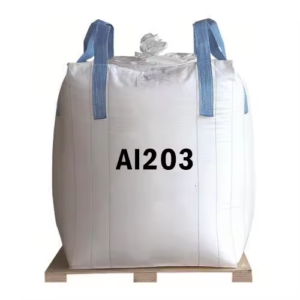
1kg / 1000kg Bag
Palletized Shipping
Lead Time: 1-7 Days
Shipping Methods: Sea/Air/Express delivery