Address
Room 2301C, 23rd Floor, Building 1, jinghu Commercial center, No, 34, Liangzhuang Street, Eri District, Zhengzhou City, Henan province
Work Hours
Monday to Friday: 7AM - 7PM
Weekend: 10AM - 5PM
Address
Room 2301C, 23rd Floor, Building 1, jinghu Commercial center, No, 34, Liangzhuang Street, Eri District, Zhengzhou City, Henan province
Work Hours
Monday to Friday: 7AM - 7PM
Weekend: 10AM - 5PM

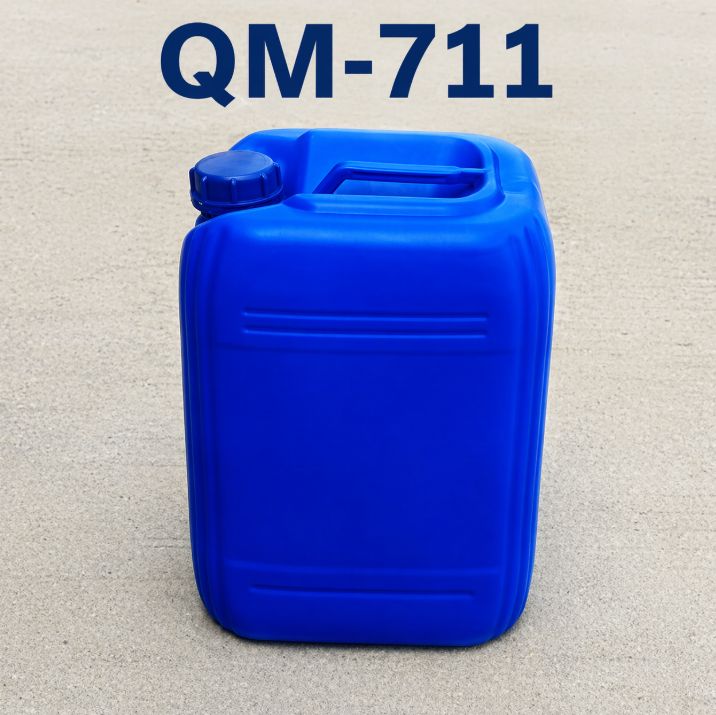
It is characterized by being pollution-free, energy-efficient, and non-selective regarding steel type. It opens up a new avenue for resolving long-standing issues associated with traditional high-temperature alkaline blackening—namely, heavy pollution, high energy consumption, and steel-type selectivity—thereby providing manufacturers with an ideal, advanced process for the blackening treatment of steel products. This product is widely utilized across various industrial sectors—including mechanical components, standard parts, decorative crafts, and springs—for the surface blackening, aesthetic finishing, and protective treatment of steel parts.
Recommended Processing Procedure:
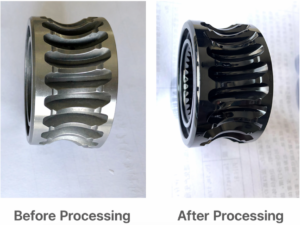
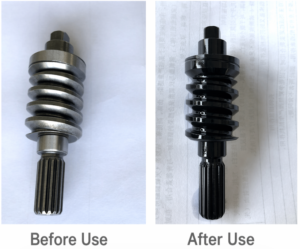
Product Features:
Reduce Loss of Active Ingredients
Improve Blackening Efficiency
Instructions for Use:
(1) Degreasing: It is recommended to employ a medium-temperature (>60°C) alkaline degreasing process (the degreasing agent should be diluted with water at a ratio of 1:5–6). The degreasing time varies from a few minutes to several hours; the criterion for completion is that the degreasing must be thorough and complete. Thorough degreasing is the key to successful blackening. After degreasing, the workpiece surface is required to be fully water-wettable; if the water film on the surface retracts into droplets, it indicates that the degreasing was inadequate. Only when the degreasing requirements are met can the quality of the resulting black oxide film be guaranteed.
(2) Rust Removal, Acid Pickling, and Activation: The workpiece may be immersed in 40%–70% hydrochloric acid for 0.5 to 5 minutes until all rust traces are completely removed. Alternatively, mechanical methods—such as sandblasting, shot blasting, or sanding—may be used to remove rust; these methods often yield superior blackening results. Note: The purpose of acid pickling is to remove rust; it must never be used as a substitute for the aforementioned degreasing step.
(3) Blackening Treatment: Immerse the cleaned workpiece into the blackening solution, agitating it intermittently (1–2 times), and allow it to soak for 1–4 minutes before removal. (If the workpiece fails to blacken, or blackens unevenly, within 4 minutes, it indicates a severe failure in the degreasing process, and the workpiece must undergo degreasing again.) Subsequently, rinse or wash away any residual blackening solution using tap water. (The blackening solution should be diluted with water at a ratio of 1:4–6 for use; however, if the solution is to be applied by brushing, no dilution is required.) The duration of the blackening process depends on the workpiece’s material composition, the ambient temperature, and the depletion level of the solution’s active ingredients. The required blackening time is determined by the point at which the workpiece achieves the specified level of blackness.
(4) Drying: The sealing (post-treatment) process may only commence after the workpiece has been thoroughly dried. Drying can be achieved using a stream of warm air, by wiping with paper or cloth, or by immersing the workpiece in a bath of high-temperature boiling water for 10–20 seconds. After removal from the hot water bath, the workpiece is allowed to self-dry using its own residual heat. (It is considered normal for a faint white film to appear on the surface of the black oxide coating after self-drying; this film will naturally dissipate once the protective oil is applied.)
5) Sealing: The sealing process involves either oil immersion or the application of a clear varnish. Users may choose one of these two methods.
A) Oil Immersion: Suitable oils include transformer oil, standard machine oil, or spindle oil; however, recycled waste oil or automotive engine oil must not be used.
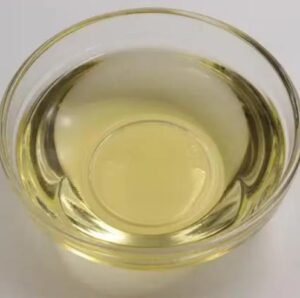
B) Dehydrating Rust-Preventive Oil: For steel components treated with the WZ-711 room-temperature blackening agent (Fig. 4), simply immerse the cleaned, blackened parts into the dehydrating rust-preventive oil for 3–5 minutes.
C) Clear Varnishing: For high-end components—or workpieces requiring superior wear resistance, high surface gloss, or exceptional corrosion resistance—a clear varnish may be applied after the parts have thoroughly dried.
Additionally, please remember to rinse off any residual solution from the previous step using clean water between each process to prevent cross-contamination. It is normal for the blackening solution to develop a precipitate after a period of use; this phenomenon does not affect the solution’s blackening efficacy.
Package:
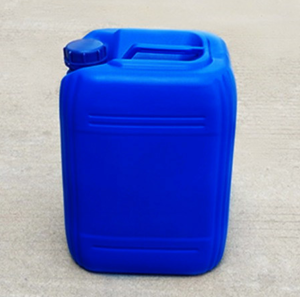
1kg/25kg Bucket
Palletized Shipping
Lead Time: 1-7 Days
Shipping Methods: Sea/Air/Express delivery
Note:
1. Protective gloves must be worn during operation.
2. If the substance accidentally comes into contact with the skin or eyes, immediately rinse thoroughly with copious amounts of water to prevent injury.
3. The pickling solution and rust-preventive oil emit acidic and oily odors; therefore, operations must be conducted in a well-ventilated area.
4. The working solution must be stored securely; it is strictly forbidden to ingest it, and contact by children or the elderly must be prevented.