Address
Room 2301C, 23rd Floor, Building 1, jinghu Commercial center, No, 34, Liangzhuang Street, Eri District, Zhengzhou City, Henan province
Work Hours
Monday to Friday: 7AM - 7PM
Weekend: 10AM - 5PM
Address
Room 2301C, 23rd Floor, Building 1, jinghu Commercial center, No, 34, Liangzhuang Street, Eri District, Zhengzhou City, Henan province
Work Hours
Monday to Friday: 7AM - 7PM
Weekend: 10AM - 5PM

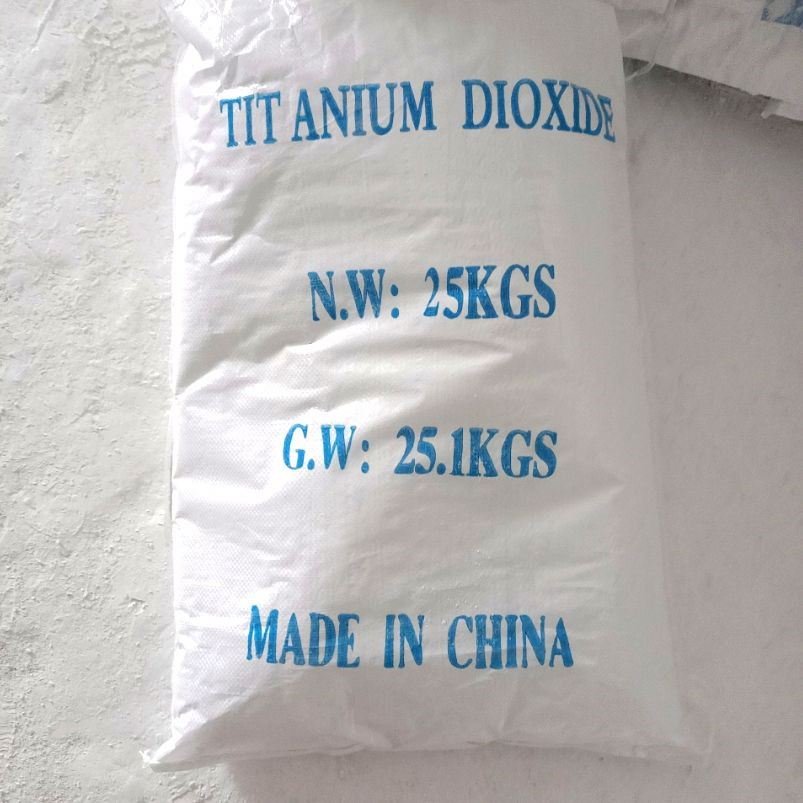
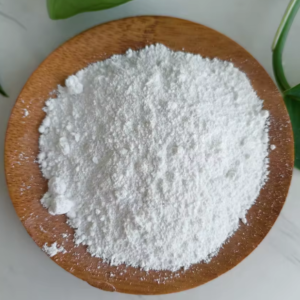
Titanium dioxide (chemical formula: TiO₂) is an amphoteric oxide that appears as a white solid or powder. As a vital inorganic chemical raw material, it is acclaimed as “the world’s best-performing white pigment” due to its exceptional whiteness, brightness, opacity, and refractive index. It is widely used across various industrial sectors, including coatings, plastics, papermaking, printing inks, chemical fibers, rubber, and cosmetics.
Beyond its use as a pigment, nano-scale titanium dioxide exhibits unique semiconductor properties and photocatalytic capabilities. Under ultraviolet or visible light irradiation, it generates electron-hole pairs that produce highly oxidizing hydroxyl radicals; this enables the effective degradation of organic pollutants and the elimination of bacteria, while also providing self-cleaning and anti-fogging functions.
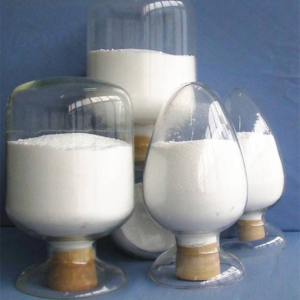
Titanium dioxide is the most important white pigment in the coatings industry, accounting for approximately 58%–60% of total titanium dioxide consumption. It offers excellent hiding power, whiteness, and weather resistance; widely used in architectural coatings, automotive paints, and industrial coatings, it significantly enhances the coating’s coverage and durability.
Nano-scale titanium dioxide possesses exceptional UV-shielding capabilities and high transparency, making it a popular physical sunscreen agent in cosmetics such as sunscreens, foundations, and primers. It effectively blocks UVA and UVB rays to prevent sunburn and is gentler on the skin than chemical sunscreen agents.
Nano-titanium dioxide exhibits unique photocatalytic activity. Under light exposure, it decomposes organic pollutants (such as formaldehyde and benzene compounds) adsorbed on its surface into harmless carbon dioxide and water, while also eliminating bacteria and viruses. This property enables its widespread application in fields such as air purification, water treatment, self-cleaning glass, and antibacterial ceramics.
In the plastics industry, titanium dioxide serves as a filler and colorant, improving the whiteness, gloss, and weather resistance of plastic products. In the papermaking industry, it enhances paper opacity, whiteness, and printability, and is frequently used in high-quality fine paper and packaging paper. Additionally, titanium dioxide is utilized in the manufacture of electronic materials such as capacitors, piezoelectric ceramics, and optoelectronic devices.
Technical Specifications:
|
Item
|
Quality Standard
|
|||
|
TiO2 Content (%)
|
≥95.0
|
|||
|
Rutile Content(%)
|
≥97.0
|
|||
|
Color Compared with the Standard Sample
|
Not less than
|
|||
|
Whiteness(%)
|
97.5±1.0
|
|||
|
Tint Reducing Power Compared with the Standard Sample
|
≥100
|
|||
|
Volatile at 105℃(%)
|
≤0.5
|
|||
|
Water Soluble Objects(%)
|
≤0.5
|
|||
|
PH Value of Aqueous Suspension
|
6.5~8.5
|
|||
|
Oil Absorption (g/100g)
|
≤20.0
|
|||
|
Hiding Power(g/c㎡)
|
≤20.0
|
|||
|
Ωm
|
≥80
|
|||
Package:
1kg / 20kg Bag
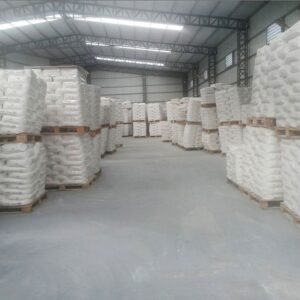
Palletized Shipping
Lead Time: 1-7 Days
Shipping Methods: Sea/Air/Express delivery