Address
Room 2301C, 23rd Floor, Building 1, jinghu Commercial center, No, 34, Liangzhuang Street, Eri District, Zhengzhou City, Henan province
Work Hours
Monday to Friday: 7AM - 7PM
Weekend: 10AM - 5PM
Address
Room 2301C, 23rd Floor, Building 1, jinghu Commercial center, No, 34, Liangzhuang Street, Eri District, Zhengzhou City, Henan province
Work Hours
Monday to Friday: 7AM - 7PM
Weekend: 10AM - 5PM

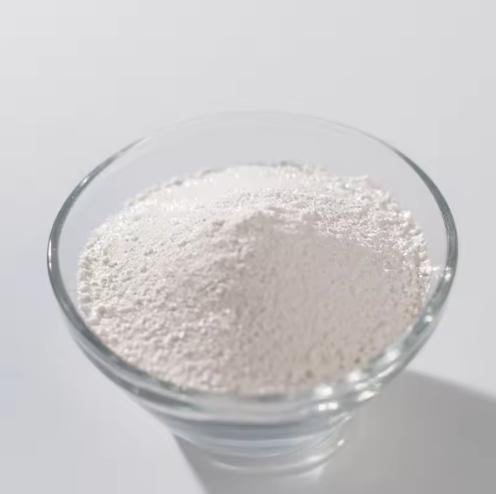
Nano-zirconia, with the chemical formula [chemical formula missing], is an ultrafine zirconia powder with a particle size between 1 and 100 nanometers. As an important functional ceramic raw material, nano-zirconia possesses high hardness, high strength, high temperature resistance, corrosion resistance, and excellent chemical stability. Compared with traditional micron-sized zirconia, nano-zirconia exhibits unique small-size and surface effects, possessing a larger specific surface area and higher surface energy, which gives it significant advantages in optical, electrical, magnetic, and mechanical properties.
In the field of mechanical manufacturing, it is used to manufacture cutting tools (TZP ceramic cutters), grinding media (zirconia beads), bearings, and seals, replacing traditional metal materials and providing a longer service life. In the automotive industry, it is used to manufacture high-temperature, wear-resistant components such as engine valves, piston rings, and turbocharger blades to improve engine performance.
In the biomedical field, nano-zirconia is a star material in dental restoration, used to make all-ceramic crowns, bridges, and implants, offering realistic aesthetics and excellent chewing strength.
In orthopedics, it is used to make artificial joints, such as artificial femoral heads, as its elastic modulus is close to that of bone, effectively reducing inflammation caused by bone cement wear.
It plays an important role in petrochemicals, automotive exhaust purification (three-way catalytic converters), and fine chemical synthesis, improving the efficiency and selectivity of catalytic reactions.
Package:
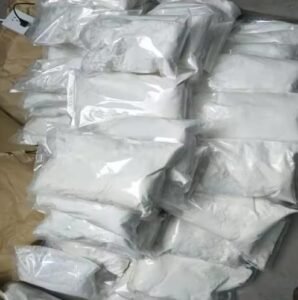
1kg /20kg Bag
Palletized Shipping
Lead Time: 1-7 Days
Shipping Methods: Sea/Air/Express delivery