Address
Room 2301C, 23rd Floor, Building 1, jinghu Commercial center, No, 34, Liangzhuang Street, Eri District, Zhengzhou City, Henan province
Work Hours
Monday to Friday: 7AM - 7PM
Weekend: 10AM - 5PM
Address
Room 2301C, 23rd Floor, Building 1, jinghu Commercial center, No, 34, Liangzhuang Street, Eri District, Zhengzhou City, Henan province
Work Hours
Monday to Friday: 7AM - 7PM
Weekend: 10AM - 5PM

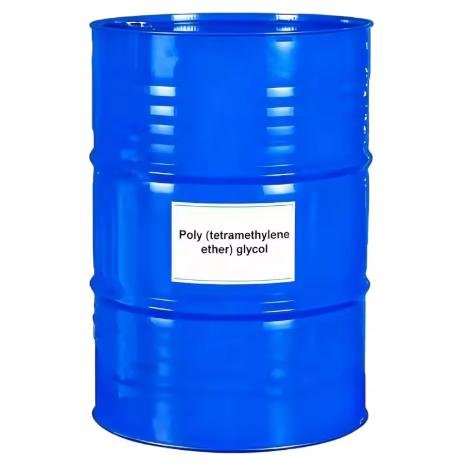
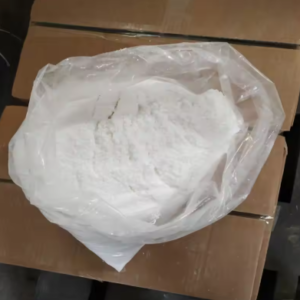
Poly(tetrahydrofuran)—abbreviated as PTMEG or PTMG—is a linear polymer produced from the monomer tetrahydrofuran (THF) via cationic ring-opening polymerization; its molecular structure features reactive primary hydroxyl groups at both ends. At room temperature, low-molecular-weight poly(tetrahydrofuran) exists as a liquid, whereas high-molecular-weight varieties appear as white, waxy solids that transform into transparent, viscous liquids upon heating and melting.
In the production of spandex, polytetrahydrofuran serves as the soft segment, reacting with diisocyanates (such as MDI) and chain extenders to yield polyurethane elastic fibers characterized by excellent elasticity, hydrolysis resistance, and low-temperature resistance. These fibers are widely utilized in textiles such as underwear, sportswear, swimwear, and hosiery, providing garments with a close-fitting comfort and long-lasting resilience.
Polytetrahydrofuran is a crucial raw material for the manufacture of polyurethane elastomers (PUR), including thermoplastic polyurethanes (TPU) and cast polyurethanes (CPU). Because its main chain contains no ester linkages, polyurethane elastomers derived from it exhibit exceptional resistance to low temperatures, hydrolysis, and oil. TPU products find extensive application in fields such as footwear materials (e.g., soles), films, tubing, and adhesives—particularly in scenarios demanding high levels of weather resistance and flexibility.
Polytetrahydrofuran is also employed in the preparation of thermoplastic polyester elastomers (TPEE).
Technical Specifications:
|
Color,APHA
|
≤35
|
≤15
|
|
Water content,%
|
≤0.0100
|
≤0.0100
|
|
Hydroxyl Number,mgKOH/g
|
106.86~118.11
|
54.74~57.54
|
|
Molecular weight(Mn),g/mol
|
950~1050
|
1950~2050
|
|
Acid value(KOH)mg/g
|
≤0.05
|
≤0.05
|
|
Peroxide(H2O2)/ (µg /g)
|
≤5
|
≤5
|
Package:
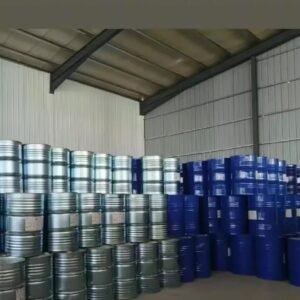
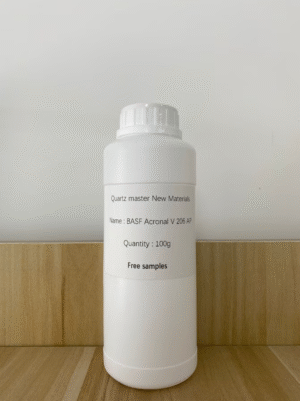
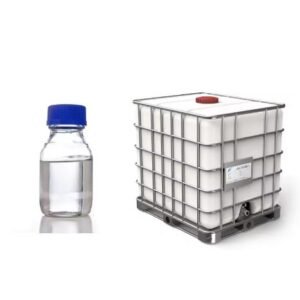
1kg / 200kg bucket
Palletized Shipping
Lead Time: 1-7 Days
Shipping Methods: Sea/Air/Express delivery