Address
Room 2301C, 23rd Floor, Building 1, jinghu Commercial center, No, 34, Liangzhuang Street, Eri District, Zhengzhou City, Henan province
Work Hours
Monday to Friday: 7AM - 7PM
Weekend: 10AM - 5PM
Address
Room 2301C, 23rd Floor, Building 1, jinghu Commercial center, No, 34, Liangzhuang Street, Eri District, Zhengzhou City, Henan province
Work Hours
Monday to Friday: 7AM - 7PM
Weekend: 10AM - 5PM

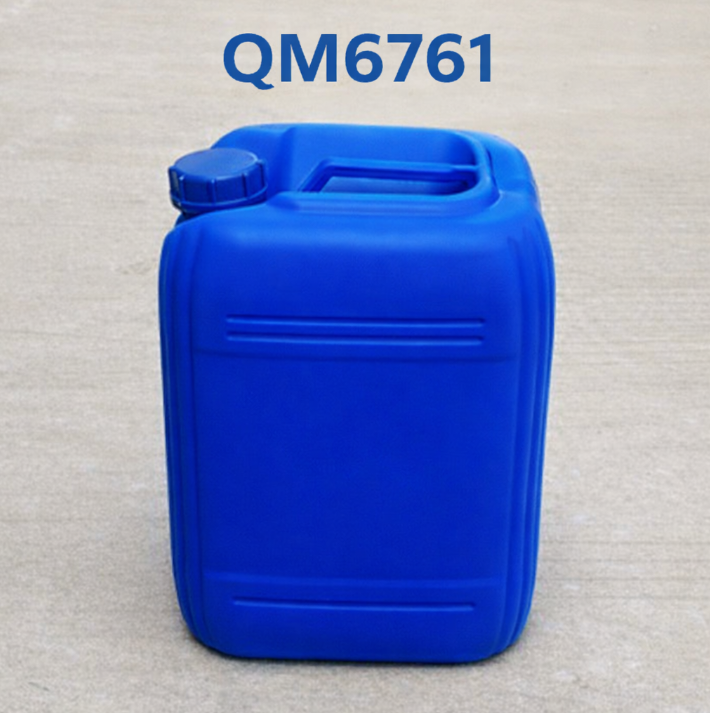
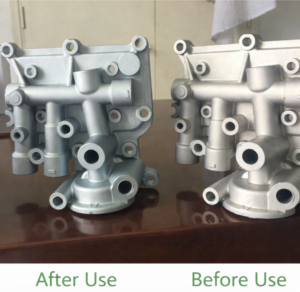
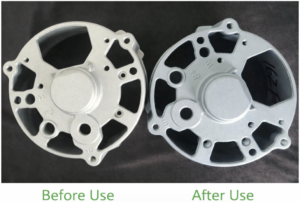
This product is an eco-friendly trivalent chromium chemical passivation agent—a green, acidic liquid—suitable for the conductive chemical oxidation of aluminum profiles and die-cast aluminum. It serves as a final protective layer for aluminum materials and can also be utilized as a pretreatment film for aluminum components prior to painting, powder coating, or bonding applications.
1. Forms a transparent, faintly tinted, light-blue coating; easily applied via immersion, spraying, or manual wiping.
2. Offers corrosion resistance superior to that of hexavalent chromium passivation, meeting—and exceeding—the corrosion resistance standards set forth in MIL-DTL-81706 and MIL-5541 (based on ASTM B-117 and DIN 50021 SS test standards, the onset of initial white corrosion occurs after more than 360 hours).
3. Produces an inorganic passivation film characterized by a contact resistance of less than 0.8 mΩ/cm² and high thermal stability.
4. Environmentally friendly and safe, with a simple wastewater treatment process.
5. When used in conjunction with our company’s degreasers and cast aluminum desmutters, it yields a uniform, light-blue finish on die-cast aluminum surfaces without the need for sandblasting.
Application Method:
Bath Preparation: Prepare the bath by diluting QM6761 with deionized water.
Concentration: Corrosion Resistance Treatment
Immersion: 100 ml/L (60–200 ml/L)
Spray: 150 ml/L (100–300 ml/L)
Temperature: 40°C (30–40°C)
pH Value: 3.9 (3.7–4.05)
Pre-treatment for Coating Applications
Immersion: 50 ml/L (30–200 ml/L)
Spray: 100 ml/L (50–250 ml/L)
Temperature: 30°C (20–40°C)
pH Value: 3.5 (3.6–4.1)
pH Adjustment: Slowly adjust the pH using a 5% sulfuric acid solution or a 1% sodium hydroxide solution.
Corrosion Resistance Treatment
Immersion: 5 min (3–8 min)
Spray: 2 min (1–6 min)
Spray Pressure: 1 bar (0.5–1.5 bar)
Pre-treatment for Coating Applications
Immersion: 3 min (2–6 min)
Spray: 2 min (1–6 min)
Spray Pressure: 1 bar (0.5–2.5 bar)
Agitation: Not required
Agitation: Not required
Bath Preparation:Thoroughly clean the tank prior to bath preparation. For new tanks or production lines, first clean with a 10% sulfuric acid solution, then rinse thoroughly with deionized water. Add the required amount of deionized water and WANZHG-D6761 concentrate, and stir until evenly mixed. If necessary, adjust the solution’s pH using a 5% sulfuric acid solution or a 1% sodium hydroxide solution.
Filtration: Filtration is required; ideally, the solution should undergo two complete cycles per hour.
Tank Materials: PP sheet, stainless steel, or steel tanks featuring acid- and fluoride-resistant linings.
Jig/Rack Materials:Titanium, stainless steel (V4A), aluminum, or plastic.
Heating: Heating is required; heating equipment must be resistant to both acids and fluorides.
Maintenance:Periodically adjust the solution to the optimal concentration and pH value based on analytical results and pH meter readings.
Consumption: When used as a pretreatment layer for painting/coating, consumption is determined almost exclusively by drag-out losses. When used for corrosion-resistant treatment, 10–20 mL of concentrate must be added for every square meter of product processed (including drag-out losses); precise replenishment amounts should be determined based on laboratory analysis results. Higher requirements for salt spray resistance—which necessitate a thicker film layer—will result in higher consumption rates, requiring timely replenishment of the concentrate.
Precautions:The pH of the solution must be precisely controlled using a pH meter; failure to do so may result in poor corrosion resistance. The solution must be continuously circulated and filtered, and any precipitates accumulated on the filter cloth must be removed daily.
Package:
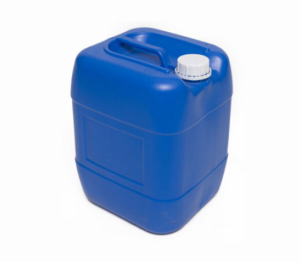
1kg/25kg Bucket
Palletized Shipping
Lead Time: 1-7 Days
Shipping Methods: Sea/Air/Express delivery
Important Notes:
1. During storage, minor sedimentation may occur; however, this does not affect the product’s quality or performance. Shake well before use.
2. Periodically adjust the solution to the required concentration and pH value based on analytical methods and pH meter readings.
3. The introduction of alkaline impurities may lead to precipitation, resulting in an unnecessary loss of the chemical agent.
4. Before applying the WANZHG-D6761 passivating agent, the workpiece surface must undergo degreasing and oxide removal treatments to ensure no residual water film remains on the surface.
5. If a silicate-based degreasing agent is used, it is recommended to subsequently treat the workpiece with a fluoride-containing acid etching agent.
6. It is recommended to adjust the pH value of the rinse water immediately preceding the WANZHG-D6761 passivation bath to between 3.5 and 4.5 to prevent significant fluctuations in the pH of the passivation bath itself.
7. During the drying process, the surface temperature of the workpiece must be kept below 75°C. If subsequent painting is required, the coating process may commence immediately after drying. However, optimal results are achieved if the passivated workpiece is allowed to rest for 4 hours prior to coating. To ensure the highest quality, it is recommended to wait 24 hours after the formation of the passivation film before proceeding with painting.