Address
Room 2301C, 23rd Floor, Building 1, jinghu Commercial center, No, 34, Liangzhuang Street, Eri District, Zhengzhou City, Henan province
Work Hours
Monday to Friday: 7AM - 7PM
Weekend: 10AM - 5PM
Address
Room 2301C, 23rd Floor, Building 1, jinghu Commercial center, No, 34, Liangzhuang Street, Eri District, Zhengzhou City, Henan province
Work Hours
Monday to Friday: 7AM - 7PM
Weekend: 10AM - 5PM

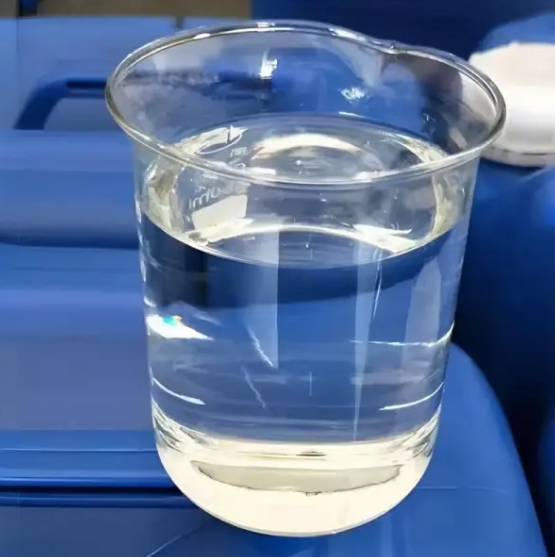
KH-560 (γ-Glycidoxypropyltrimethoxysilane) is a widely utilized epoxy-functional silane coupling agent, chemically designated as 3-(2,3-Epoxypropoxy)propyltrimethoxysilane. As a bifunctional organosilicon compound, it possesses a unique molecular structure: one terminus features a trimethoxysilane group capable of reacting with the surfaces of inorganic materials, while the other terminus bears an epoxy group capable of reacting with organic polymers. This configuration enables it to serve as a “molecular bridge,” facilitating coupling between inorganic and organic materials. KH-560 is primarily employed to enhance the interfacial adhesion between inorganic materials—such as glass fibers, metals, and ceramics—and organic polymers, such as epoxy resins and polyurethanes, thereby significantly improving the mechanical strength, water resistance, and electrical properties of composite materials.
In Glass Fiber Reinforced Plastics (FRP), KH-560 is commonly employed as a primary component of sizing agents. It significantly enhances the adhesion between glass fibers and epoxy or unsaturated polyester resins, thereby boosting the composite material’s tensile strength, flexural strength, and interlaminar shear strength—particularly regarding electrical properties and mechanical stability in humid environments. Furthermore, it is utilized for the surface treatment of other reinforcing materials, such as carbon fibers and basalt fibers.
In epoxy primers, polyurethane coatings, and various adhesives, KH-560 functions as an adhesion promoter. It improves the adhesion of coatings to difficult-to-bond substrates—such as glass, metals, and concrete—prevents blistering and peeling, and enhances water resistance. In sealants, it improves the compatibility between the sealant matrix and inorganic fillers, prevents filler sedimentation, and increases the bond strength after curing.
In electronic packaging materials, KH-560 is used to treat inorganic fillers (such as silica powder), improving their dispersion within epoxy molding compounds, reducing viscosity, and enabling higher filler loading levels. Concurrently, it minimizes interfacial defects and enhances the packaging material’s resistance to moisture and ionic contamination, thereby protecting the encapsulated chip from environmental degradation.
KH-560 also finds extensive application in fields such as foundry operations, abrasive manufacturing, and wood-plastic composites. In foundry applications, it serves as a resin binder for silica sand molds, increasing the strength of the molding sand and reducing gas evolution during casting. In the manufacture of resin-bonded grinding wheels, it helps improve the adhesion and water resistance of wear-resistant self-hardening sands and phenolic binders. In wood-plastic composites, it is used to treat natural fiber fillers—such as wood flour—enhancing their interfacial bonding with the plastic matrix and improving the composite material’s impact strength and flexural modulus.
Technical Specifications:
| Testing Items | Standard Requirements | Testing Result |
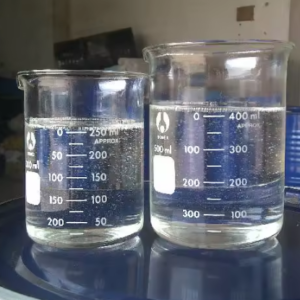
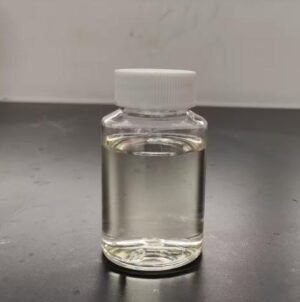
| Color | Colorless transparent liquid | Qualified |
| Content | ≥97.0% | 0.975 |
| Boiling point | 290℃ | Qualified |
| refractive index | 1.4260-1.4280 | Qualified |
Package:
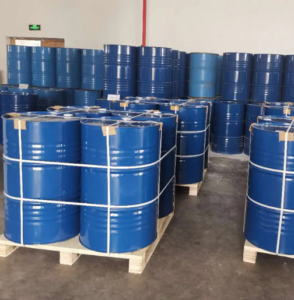
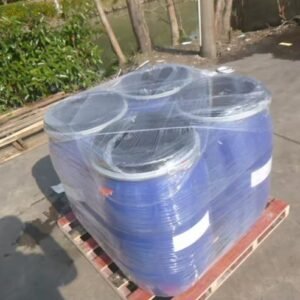
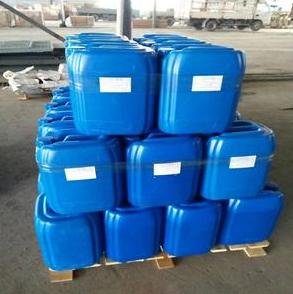
1kg / 200kg bucket
Palletized Shipping
Lead Time: 1-7 Days
Shipping Methods: Sea/Air/Express delivery