Address
Room 2301C, 23rd Floor, Building 1, jinghu Commercial center, No, 34, Liangzhuang Street, Eri District, Zhengzhou City, Henan province
Work Hours
Monday to Friday: 7AM - 7PM
Weekend: 10AM - 5PM
Address
Room 2301C, 23rd Floor, Building 1, jinghu Commercial center, No, 34, Liangzhuang Street, Eri District, Zhengzhou City, Henan province
Work Hours
Monday to Friday: 7AM - 7PM
Weekend: 10AM - 5PM

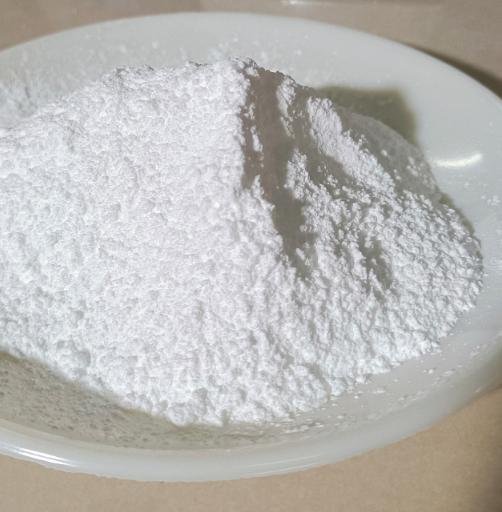
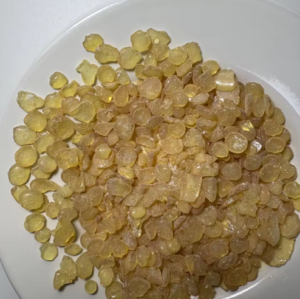
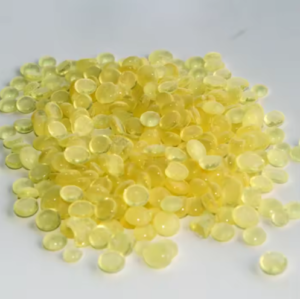
Amino resins are thermosetting resins produced through the polycondensation of amino-group-containing organic compounds (such as urea, melamine, and benzoguanamine) with aldehydes (primarily formaldehyde). Upon exposure to heat or acidic catalysts, these resins undergo a curing reaction to form a hard, water-resistant, and heat-resistant three-dimensional network structure. Amino resins are widely used in industrial applications, particularly in sectors such as coatings, molding compounds, adhesives, papermaking, and textiles. In the coatings industry, they often serve as cross-linking agents to produce coatings characterized by high hardness, high gloss, and chemical corrosion resistance. In the wood processing industry, they are essential adhesives for manufacturing engineered wood products like plywood and fiberboard. Additionally, they are used to produce molding compounds for items such as tableware and household goods, as well as for the shrink-resistant and wrinkle-resistant finishing of fabrics.
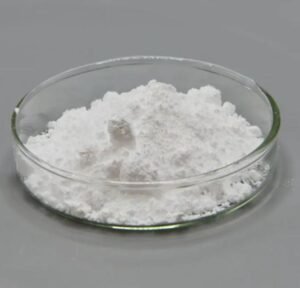
Amino resins play a crucial role as cross-linking agents in the coatings industry. They are frequently combined with alkyd, polyester, and thermosetting acrylic resins to produce amino-alkyd baking enamels, amino-polyester baking enamels, and coil coatings. These coatings are characterized by light color, high gloss, high hardness, excellent gloss and color retention, and strong chemical resistance; they are widely used in applications such as automotive bodies, home appliance casings, light industrial products, and pre-coated metals.
Amino resin molding compounds primarily include urea-formaldehyde and melamine-formaldehyde (commonly known as melamine) molding compounds. They are widely used to manufacture everyday items—such as tableware, tea sets, buttons, and hair clips—as well as industrial products like instrument housings and electrical insulation materials. These products offer advantages such as vibrant colors, hard texture, and resistance to scratching and staining.
Amino resins are among the most important adhesives in the wood industry. Due to its low cost, urea-formaldehyde resin is extensively used in the production of engineered wood products—such as plywood, medium-density fiberboard (MDF), and particleboard—accounting for a significant share of total adhesive production. Melamine-formaldehyde resin is used to manufacture high-end decorative panels (such as melamine-faced boards); owing to its excellent water and stain resistance, it is frequently employed in furniture manufacturing.
In the papermaking industry, amino resins (such as melamine-formaldehyde and polyamide-polyamine-epichlorohydrin resins) are commonly used as wet-strength agents. They form cross-linked networks between fibers, significantly enhancing the paper’s wet strength and water resistance, thereby allowing it to maintain its shape and strength in humid environments. In the textile industry, amino resins are used for the shrink-proof and wrinkle-resistant finishing of fabrics; the cross-linking of the resin between fibers stabilizes the fabric’s dimensions and prevents deformation.
Technical Specifications:
|
Appearance: |
White powder |
|
Dry loss (%) |
Max 5 |
|
PH value |
7-9 |
| Bulk density(G/L) |
400-700 |
| SO4 2– ion Content(%) | 3.0-4.0 |
| Cl–ion Content(%) | Max 0.05 |
|
Air Content of concrete test(%) |
Max 3 |
|
Water reducing ratio in concrete test(%) |
Min 14 |
Package:
1kg / 25kg Bucket
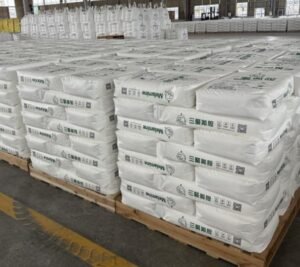
Palletized Shipping
Lead Time: 1-7 Days
Shipping Methods: Sea/Air/Express delivery