Address
Room 2301C, 23rd Floor, Building 1, jinghu Commercial center, No, 34, Liangzhuang Street, Eri District, Zhengzhou City, Henan province
Work Hours
Monday to Friday: 7AM - 7PM
Weekend: 10AM - 5PM
Address
Room 2301C, 23rd Floor, Building 1, jinghu Commercial center, No, 34, Liangzhuang Street, Eri District, Zhengzhou City, Henan province
Work Hours
Monday to Friday: 7AM - 7PM
Weekend: 10AM - 5PM

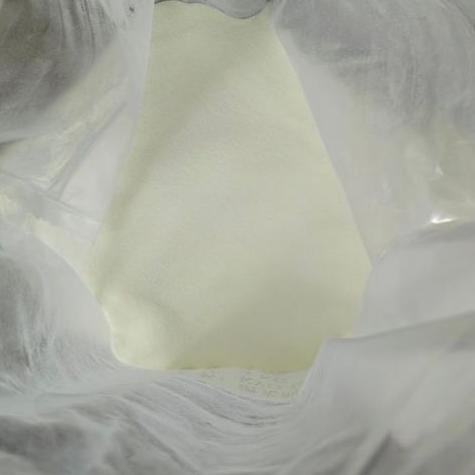
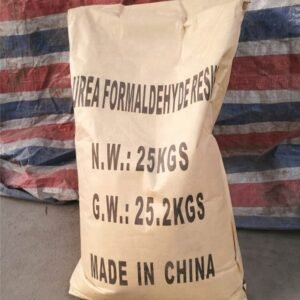
Urea-formaldehyde resin (abbreviated as UF) is produced through the polycondensation of urea and formaldehyde—facilitated by alkaline or acidic catalysts—to form an initial resin, which is subsequently converted into an insoluble, infusible thermosetting resin through the action of curing agents or additives. Compared to phenolic resins, cured urea-formaldehyde resin is lighter in color and translucent; it offers good resistance to weak acids and alkalis, excellent electrical insulation and wear resistance, and low cost, making it the most widely used type of adhesive. In particular, within the wood processing industry—specifically in the manufacture of various engineered wood panels—urea-formaldehyde resins and their modified derivatives account for approximately 90% of total adhesive consumption. However, the resin is prone to decomposition when exposed to strong acids or alkalis and exhibits poor weather resistance, low initial tack, significant shrinkage, high brittleness, poor water resistance, and a tendency to age; furthermore, engineered wood panels produced using this resin pose issues regarding formaldehyde emissions, necessitating modification of the material.
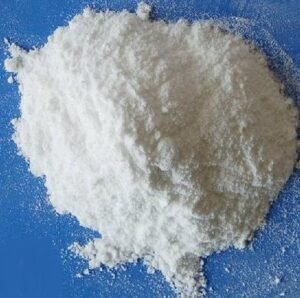
It serves as a cross-linking agent for emulsion adhesives. It can cross-link by reacting with the hydroxyl (-OH) groups in polyvinyl acetate emulsions, thereby enhancing water and heat resistance. The methylol (-CH2OH) and amino (-NH2) groups in urea-formaldehyde resin molecules can undergo condensation cross-linking with the carboxyl (-COOH) groups in acrylic-modified emulsion molecules; this reduces the number of hydrophilic groups, resulting in improved water resistance and enhanced freeze resistance.
It is suitable for products that do not require high levels of water resistance or specific dielectric properties—such as power strips, switches, machine handles, instrument housings, knobs, household goods, decorative items, mahjong tiles, and toilet seat lids—and can also be used in the manufacture of certain types of tableware.
Urea-formaldehyde resin is the most widely used type of adhesive. It—along with its modified derivatives—accounts for approximately 90% of the total adhesive consumption in the wood processing industry, particularly in the manufacture of various engineered wood products.
Technical Specifications:
|
Appearance |
White powder |
|
|
Viscosity 25℃ |
3000——4500CPS |
3500CPS |
|
Solid Content |
≥95% |
98% |
|
Formaldehyde emission |
≤3.0 |
2.5 |
|
Volatile substance |
<2 |
1.9 |
|
Moisture content |
≤2 |
1.8 |
|
PH |
7.5-8.0 |
7.6 |
|
Specific gravity 25℃ |
1.220g/cm3 |
1.1 |
|
mesh size |
80-120mesh |
100 |
Package:
1kg / 25kg Bag
Palletized Shipping
Lead Time: 1-7 Days
Shipping Methods: Sea/Air/Express delivery