Address
Room 2301C, 23rd Floor, Building 1, jinghu Commercial center, No, 34, Liangzhuang Street, Eri District, Zhengzhou City, Henan province
Work Hours
Monday to Friday: 7AM - 7PM
Weekend: 10AM - 5PM
Address
Room 2301C, 23rd Floor, Building 1, jinghu Commercial center, No, 34, Liangzhuang Street, Eri District, Zhengzhou City, Henan province
Work Hours
Monday to Friday: 7AM - 7PM
Weekend: 10AM - 5PM

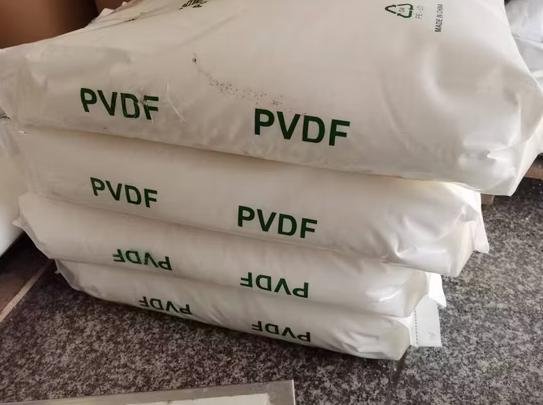
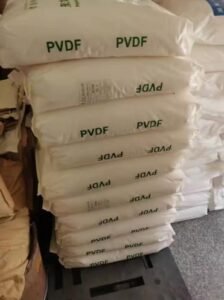
Polyvinylidene fluoride (PVDF) is a semi-crystalline fluoropolymer synthesized from vinylidene fluoride (VDF) monomers through free radical polymerization. As the second most produced member of the fluoroplastics family, PVDF combines the excellent chemical resistance, weather resistance, and high-temperature resistance of fluoropolymers with the good mechanical strength and processing properties of general-purpose resins. The alternating arrangement of fluorine atoms in its molecular chain endows the material with unique high polarity, making it widely used not only in traditional fields such as chemical corrosion protection and electronics, but also possessing special electrical properties such as piezoelectricity, thermoelectricity, and ferroelectricity, playing a key role in cutting-edge fields such as new energy batteries and flexible sensors.
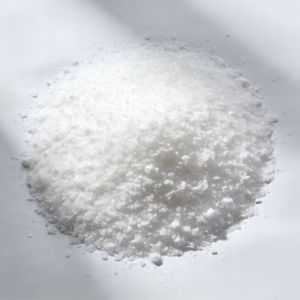
In the new energy field, PVDF is an indispensable key material for lithium-ion batteries. Primarily used as a positive electrode binder, its excellent resistance to electrolyte corrosion and strong adhesion firmly bonds the active material to the current collector, significantly impacting the battery’s cycle life and safety. Furthermore, PVDF is used in separator coatings; coating the separator surface with PVDF improves its hydrophobicity, thermal stability, and corrosion resistance, thereby enhancing the overall battery performance.
Due to its high dielectric constant, low dielectric loss, and excellent temperature resistance, PVDF is widely used as insulation for wires and cables, especially in high-temperature and chemically resistant environments. Utilizing its unique piezoelectric properties, PVDF films are fabricated into piezoelectric sensors for detecting pressure, acceleration, and vibration, widely used in consumer electronics, automotive electronics, and industrial automation.
Taking advantage of PVDF’s excellent chemical corrosion resistance, it is processed into components such as pipes, valves, pumps, and tank linings for transporting and storing corrosive chemicals such as hydrochloric acid, sulfuric acid, and caustic soda. Compared to traditional metal materials, PVDF components offer a longer service life and lower maintenance costs.
In the construction industry, PVDF resin is used to create high-grade fluorocarbon coatings for exterior wall decoration of high-rise buildings, airports, bridges, etc., offering color retention and weather resistance for over 20 years. In water treatment, PVDF hollow fiber membranes, due to their strong antifouling capabilities and resistance to chemical cleaning, are widely used in ultrafiltration and microfiltration systems for wastewater treatment and industrial water purification. Furthermore, PVDF serves as a weather-resistant layer in solar cell backsheets, effectively blocking ultraviolet rays and moisture, thus extending the lifespan of photovoltaic modules.
Technical Specifications:
|
Unit |
Stand |
|
|
Purity |
% |
More than 99.9% |
|
Density |
g/cm3 |
1.77-1.80 |
|
Melting point |
℃ |
165-172 |
|
molecular weight |
/ |
65-75 |
|
(230℃,5kg) / Melt Flow Index |
g/10min |
1-2 |
|
Characteristic viscosity |
dl/g |
1.0-2.0 |
|
Rotary viscometer |
Mpa.s |
>2500 |
|
solubility |
/ |
clear solution |
|
Shao Hardness |
D |
76-80 |
|
shrinking percentage |
% |
2.0-3.0 |
|
Water absorption |
% |
0.01-0.03 |
|
Thermal decomposition (1% Wt loos in air) |
℃ |
370-390 |
Package:
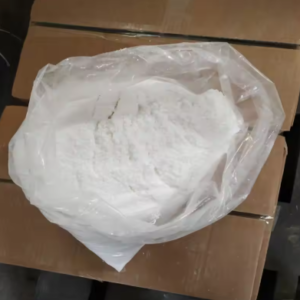
1kg / 25kg Bag
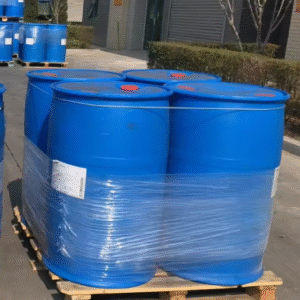
Palletized Shipping
Lead Time: 1-7 Days
Shipping Methods: Sea/Air/Express delivery