Address
Room 2301C, 23rd Floor, Building 1, jinghu Commercial center, No, 34, Liangzhuang Street, Eri District, Zhengzhou City, Henan province
Work Hours
Monday to Friday: 7AM - 7PM
Weekend: 10AM - 5PM
Address
Room 2301C, 23rd Floor, Building 1, jinghu Commercial center, No, 34, Liangzhuang Street, Eri District, Zhengzhou City, Henan province
Work Hours
Monday to Friday: 7AM - 7PM
Weekend: 10AM - 5PM

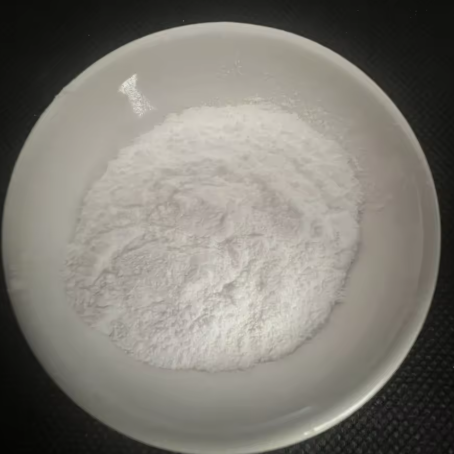
Betaine hydrochloride, chemically known as 1-carboxy-N,N,N-trimethylammonium hydrochloride, is an organic compound widely used in feed, pharmaceuticals, food, and daily chemical industries. It is the hydrochloride form of betaine (trimethylglycine), which naturally occurs in plants such as sugar beets. It retains the biological activity of betaine while also providing an acidic environment.
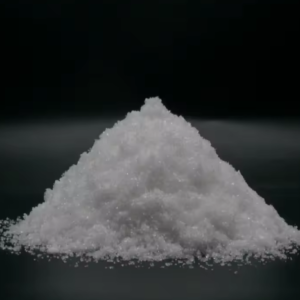
In livestock and poultry farming, betaine hydrochloride is often added to the feed of animals such as pigs and chickens. It can partially replace expensive methionine and choline, effectively reducing feed costs.
In the pharmaceutical field, betaine hydrochloride is mainly used to treat hypoacidity. It is often formulated into tablets or capsules to improve symptoms such as indigestion, bloating, belching, loss of appetite, and chronic gastritis caused by insufficient gastric acid secretion.
It can also be used as a food preservative and color-protecting agent. For example, when used in coatings to preserve fruits and vegetables, it reduces moisture loss, inhibits microbial growth, and extends shelf life.
It is widely used in shampoo, shower gel, and other formulations. It is an important raw material for preparing zwitterionic surfactants (such as cocamidopropyl betaine). These surfactants have excellent mildness and can significantly reduce the irritation of products to the skin and eyes.
Technical Specifications:
|
ITEMS
|
STANDARD
|
RESULTS
|
|
Betaine hydrochloride
|
98.0%-100.5%
|
98.82%
|
|
Residue on ignition
|
≤1.00%
|
0.43%
|
|
Loss of drying
|
≤0.50%
|
0.37%
|
|
Heavy metals(as Pb)
|
≤0.001%
|
0.0006%
|
|
Arsenic
|
≤0.0002%
|
0.00011%
|
|
20 mesh screen residue
|
≤10%
|
2.6%
|
Package:
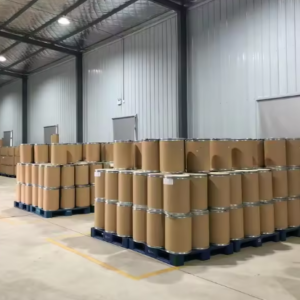
1kg / 25kg bucket
Palletized Shipping
Lead Time: 1-7 Days
Shipping Methods: Sea/Air/Express delivery