Address
Room 2301C, 23rd Floor, Building 1, jinghu Commercial center, No, 34, Liangzhuang Street, Eri District, Zhengzhou City, Henan province
Work Hours
Monday to Friday: 7AM - 7PM
Weekend: 10AM - 5PM
Address
Room 2301C, 23rd Floor, Building 1, jinghu Commercial center, No, 34, Liangzhuang Street, Eri District, Zhengzhou City, Henan province
Work Hours
Monday to Friday: 7AM - 7PM
Weekend: 10AM - 5PM

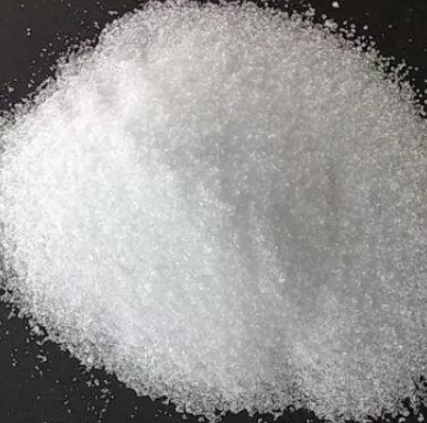
Polycarbosilane (PCS) is a high-molecular-weight organosilicon compound with a backbone composed of alternating silicon and carbon atoms. It serves as a precursor to high-performance ceramics.
Solid polycarbosilanes are primarily used to prepare silicon carbide fibers, possessing a high softening point and molecular weight, making them suitable for melt spinning.
Liquid polycarbosilanes, due to their excellent flowability and high ceramic yield, are ideal raw materials for preparing ceramic matrix composites.
Polycarbosilanes possess designable molecular structures, excellent processing properties, and the ability to transform into ceramics at high temperatures, making them widely used in the preparation of thermal structural materials, high-temperature coatings, and friction materials in aerospace, nuclear energy, and defense fields.
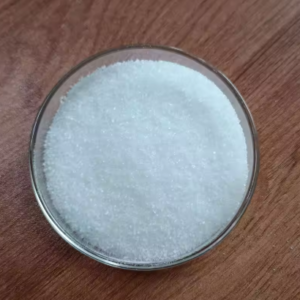
Polycarbosilane is a core raw material for the preparation of continuous silicon carbide fibers. Solid polycarbosilane is melt-spun into fiber precursors, which are then subjected to non-melting treatments (such as air oxidation or electron beam irradiation) to improve their heat resistance. Finally, they are pyrolyzed in a high-temperature (1000~1500℃) inert atmosphere to obtain high-strength, high-modulus silicon carbide fibers. These fibers possess excellent high-temperature resistance and oxidation resistance, and are widely used as reinforcing materials for aero-engines, spacecraft thermal protection systems, etc.
Liquid polycarbosilane is a key precursor for the preparation of silicon carbide ceramic matrix composites (CMC-SiC). Through precursor impregnation pyrolysis (PIP), liquid PCS is impregnated into a reinforcement (such as carbon fiber braid), and through cyclic steps such as crosslinking, pyrolysis, and high-temperature sintering, a dense SiC matrix composite can be prepared. This material possesses excellent high-temperature resistance, oxidation resistance, and thermal shock resistance, making it an ideal material for hot-end components in the aerospace field (such as gas turbine blades and nozzles).
Utilizing the solution processability of polycarbosilane, silicon carbide coatings or films can be prepared on the surfaces of metals, graphite, or carbon/carbon composites through processes such as spraying, spin coating, or dip coating. These coatings effectively improve the oxidation and corrosion resistance of the substrate material, extending its service life in harsh environments; for example, they can be used as protective coatings for high-temperature thermocouples or friction materials for brake pads.
PCS product advantages
Polycarbosilane is the most widely used matrix raw material and ceramic fiber raw material in the field of hot-end components in the national defense industry, andit is also one of the most widely used ceramic precursors. temperature resistance, oxidation resistance, high specific strength and high specific modulus.
Our company provide poly-carbon silane with adjustable molecular weight size and molecular weight distribution, wide softening temperature, designable and easy to process; easy to transform by cracking, high ceramic yield;
| Serial number | Items | Indicator |
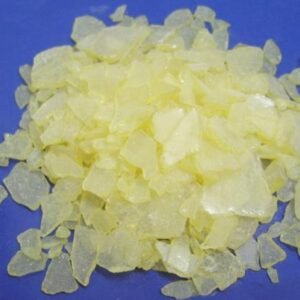
| 1 | Appearance | A mixture of colourless or light yellow lumps and powders, of which the powder should be free from agglomerates |
| 2 | Softening pointe | 180℃~235℃ |
| 3 | Oxygen content of cleavage products,ω/% | <1.5 |
| 4 | Molecular weight | 1100~1500 |
| 5 | Discrete coefficient of molecular weight(MW/Mn) | <4 |
| 6 | Naelement content,μg/g | ≤50 |
| 7 | Melting process | ≤20℃ |
| 8 | ceramic yield(1000℃ , N2atmosphere),wt% | ≥60 |
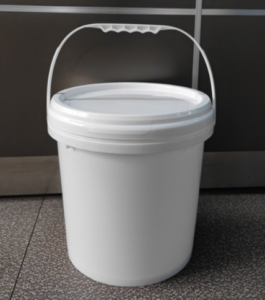
Package:1kg、5Kg