Address
Room 2301C, 23rd Floor, Building 1, jinghu Commercial center, No, 34, Liangzhuang Street, Eri District, Zhengzhou City, Henan province
Work Hours
Monday to Friday: 7AM - 7PM
Weekend: 10AM - 5PM
Address
Room 2301C, 23rd Floor, Building 1, jinghu Commercial center, No, 34, Liangzhuang Street, Eri District, Zhengzhou City, Henan province
Work Hours
Monday to Friday: 7AM - 7PM
Weekend: 10AM - 5PM

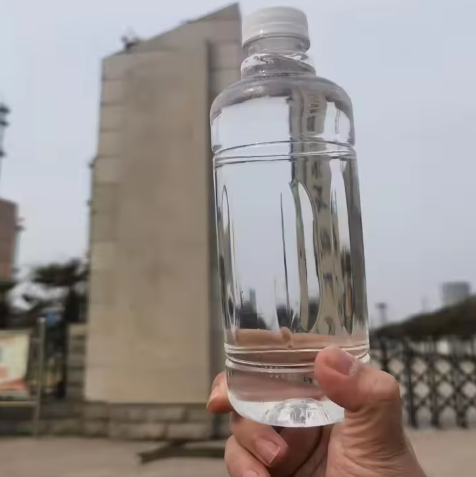
β-Carboxyethyl acrylate, also known as β-acryloyloxypropionic acid, is a special monomer with active chemical properties and is also a highly efficient adhesion promoter.
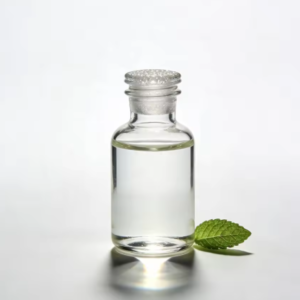
Widely used in the synthesis of various resins and the modification of polymers. When participating in resin synthesis, it can copolymerize with ethylene and acrylic monomers. Due to the presence of carboxyl groups in its structure, it can improve the stability of the system, enhance the dispersibility and color development of pigments in resins, and improve the adhesion of resins to glossy substrates and peel strength. The relatively long side carboxylic acid chains endow polymers with good flexibility, enhance their toughness, and improve the tensile strength and creep properties of materials.
β-CEA can undergo cross-linking reactions with amino, hydroxyl, epoxy, and isocyanate functional groups, and is applicable in aqueous, solvent-based, and bulk synthesis systems. Due to its mild odor, it is popular as a reactive diluent in UV-curable coatings, adhesives, and ink systems.
Technical Specifications:
|
Appearance
|
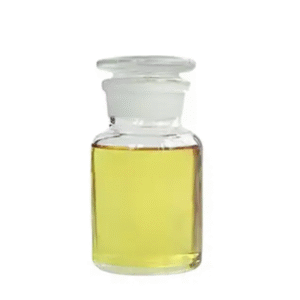
Colorless Liquid
|
|
Density
|
1.214 g/mL at 25 °C(lit.)
|
|
Moisture
|
1% max
|
|
Color (Apha)
|
200 Max
|
|
ACID VALUE (Mgkoh/G)
|
6.1-6.7
|
|
Inhibitor(Mehq Ppm)
|
1000 ± 20
|
Package:
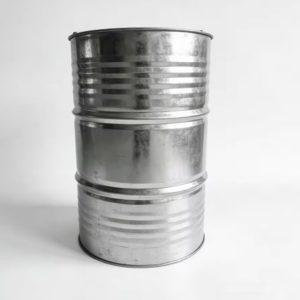
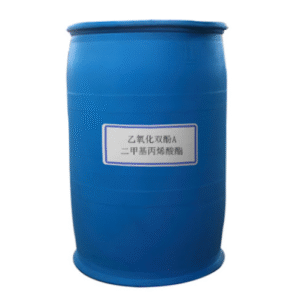
1kg / 200kg bucket
Palletized Shipping
Lead Time: 1-7 Days
Shipping Methods: Sea/Air/Express delivery