Address
Room 2301C, 23rd Floor, Building 1, jinghu Commercial center, No, 34, Liangzhuang Street, Eri District, Zhengzhou City, Henan province
Work Hours
Monday to Friday: 7AM - 7PM
Weekend: 10AM - 5PM
Address
Room 2301C, 23rd Floor, Building 1, jinghu Commercial center, No, 34, Liangzhuang Street, Eri District, Zhengzhou City, Henan province
Work Hours
Monday to Friday: 7AM - 7PM
Weekend: 10AM - 5PM

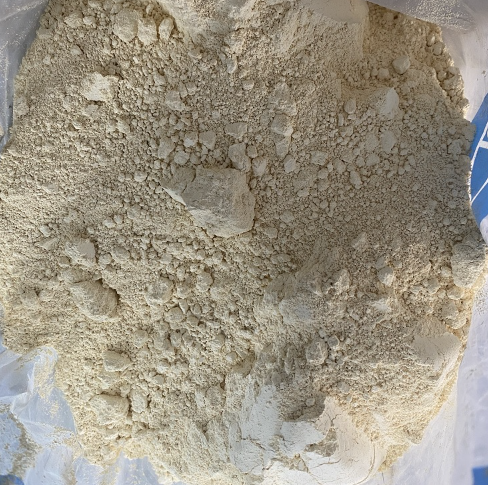
Graphitic carbon nitride (g-C₃N₄) is a polymeric semiconductor material characterized by a graphite-like layered structure, with a chemical formula typically approximating C₃N₄. As a non-metallic material, g-C₃N₄ consists of carbon and nitrogen atoms linked via sp² hybridization, forming a highly delocalized π-conjugated system. In 2009, this material was discovered to possess the capability to photocatalytically split water to produce hydrogen under visible light irradiation, thereby triggering a global surge in research activity.
g-C₃N₄ finds its most extensive applications in the field of photocatalysis. It effectively degrades organic dyes (such as Rhodamine B and Methyl Orange), antibiotics, and pesticides in water, as well as volatile organic compounds (VOCs) in the atmosphere, thereby facilitating environmental remediation.
As a non-metallic catalyst, it also demonstrates immense potential in the realm of electrocatalysis. In the oxygen reduction reaction (ORR), it exhibits performance superior to that of pure carbon materials, holding promise as a substitute for platinum-based catalysts in fuel cells. In the electrochemical reduction of nitrates to ammonia, single-atom-modified g-C₃N₄ demonstrates high Faraday efficiency. It is also utilized as an air cathode catalyst in zinc-air batteries to enhance both the energy density and cycle life of the battery.
Electrode materials constructed using g-C₃N₄ possess high specific capacitance and excellent cycling stability, making them suitable for applications in supercapacitors.
In the biomedical field, the applications of g-C₃N₄ primarily focus on fluorescence imaging and photothermal therapy. Its inherent fluorescence properties enable cellular imaging, while its photothermal effect facilitates the photothermal treatment of tumors.
In the field of sensing, g-C₃N₄ is employed for the detection of heavy metal ions (such as Cu²⁺ and Hg²⁺), biomolecules, and environmental pollutants, characterized by its high sensitivity and excellent selectivity.
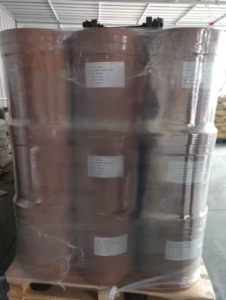
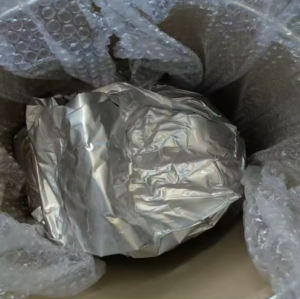
Package:
1kg /25kg Bucket
Palletized Shipping
Lead Time: 1-7 Days
Shipping Methods: Sea/Air/Express delivery