Address
Room 2301C, 23rd Floor, Building 1, jinghu Commercial center, No, 34, Liangzhuang Street, Eri District, Zhengzhou City, Henan province
Work Hours
Monday to Friday: 7AM - 7PM
Weekend: 10AM - 5PM
Address
Room 2301C, 23rd Floor, Building 1, jinghu Commercial center, No, 34, Liangzhuang Street, Eri District, Zhengzhou City, Henan province
Work Hours
Monday to Friday: 7AM - 7PM
Weekend: 10AM - 5PM

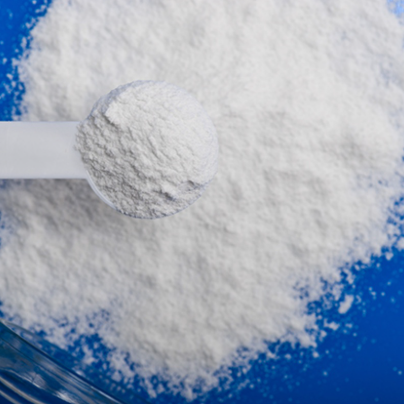
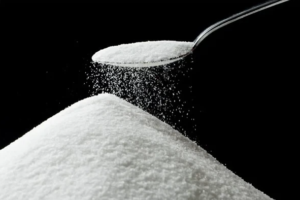
Sodium lauryl sulfate (SLS) is a typical anionic surfactant. It appears as a white or pale yellow crystalline powder with a characteristic odor. This substance is readily soluble in water and exhibits excellent foaming, detergency, emulsifying, wetting, and solubilizing properties; it serves as a fundamental raw material widely utilized in the daily chemical, industrial, and pharmaceutical sectors.
In toothpaste, it typically serves as a foaming and cleansing agent, added at concentrations ranging from 0.5% to 2%; it generates a rich, white foam, thereby enhancing the sensation of cleanliness during brushing.
In personal care products, it delivers powerful cleansing action, effectively removing oils and impurities from the scalp and skin surface.
It is frequently utilized as a foaming agent in fire extinguishers, generating copious foam to blanket and smother the fire source.
In the construction materials sector, it is employed in the manufacture of foam concrete and foam glass.
Within the textile printing and dyeing industry, it functions as an excellent scouring agent for wool and a detergent for silk and wool fabrics.
In injectable pharmaceuticals, it can serve as a solubilizer, facilitating the dissolution of poorly soluble drugs.
In tablet manufacturing, it acts as both a wetting agent and a disintegrant, promoting the rapid disintegration of tablets within the body and the subsequent release of the active drug.
Technical Specifications:
|
Category:
|
Surfactants
|
|
Induction:
|
Water phase
|
|
Skin type/ condition:
|
every skin type
|
|
Comment:
|
Shampoo barsBaby productsBath additiveRinse-off productsShampoo
|
|
Application concentration:
|
Main surfactant: 10-60%, as co-surfactant: 1-20%
|
|
pH-value:
|
4,7-7,0
|
|
Original material:
|
Fatty acids are derived from palm and/or coconut Sodium Isethionate is from petrochemical/synthetical origin
|
|
Note/additional information:
|
It is mandatory to work with a dust mask
|
|
WAS//washing active substance:
|
approx. 80%
|
|
ISO 16128:
|
Natural Origin Content ca.83%
|
Package:
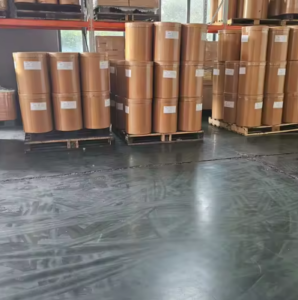
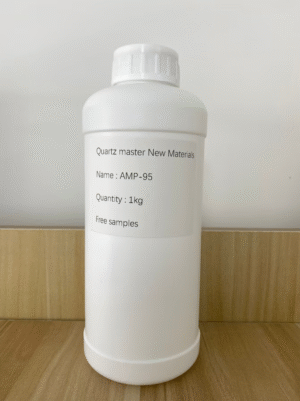
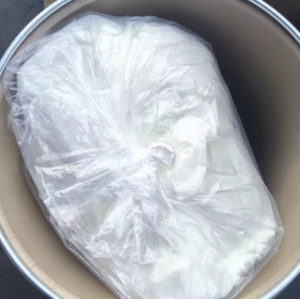
1kg / 25kg Fiber Drum
Palletized Shipping
Lead Time: 1-7 Days
Shipping Methods: Sea/Air/Express delivery