Address
Room 2301C, 23rd Floor, Building 1, jinghu Commercial center, No, 34, Liangzhuang Street, Eri District, Zhengzhou City, Henan province
Work Hours
Monday to Friday: 7AM - 7PM
Weekend: 10AM - 5PM
Address
Room 2301C, 23rd Floor, Building 1, jinghu Commercial center, No, 34, Liangzhuang Street, Eri District, Zhengzhou City, Henan province
Work Hours
Monday to Friday: 7AM - 7PM
Weekend: 10AM - 5PM

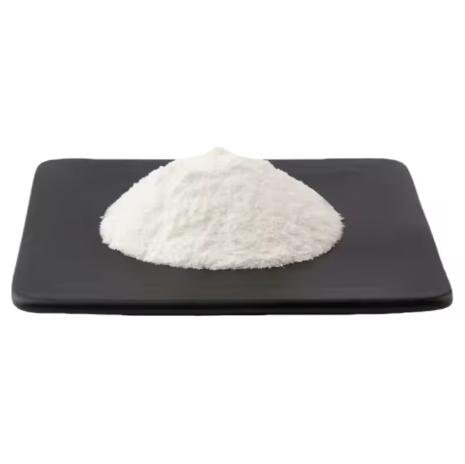
Kojic acid is a commonly used ingredient in skin whitening products. It is a product of several different fungi and a byproduct of food fermentation, such as in the production of Japanese sake, soy sauce, and rice wine. Kojic acid is also used for food preservation.
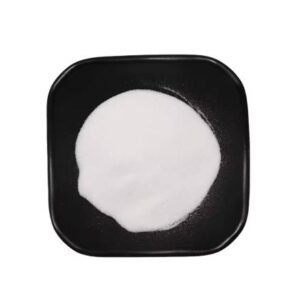
Kojic acid exhibits good inhibitory effects on most bacteria and some yeasts. Unlike sodium benzoate, which only shows antibacterial activity under acidic conditions, pH has little impact on the antibacterial effect of kojic acid. Compared to sodium benzoate at the same concentration, kojic acid demonstrates significantly stronger antibacterial ability.
It possesses strong antioxidant properties. Kojic acid treatment effectively reduces moisture loss during fresh-cut storage and slows the decline in TA, VC, and chlorophyll content, making it an ideal preservative for flowers, fruits, and vegetables when added in small amounts.
It can inhibit enzymatic browning reactions caused by polyphenol oxidase, playing a significant role in color protection for fruits, vegetables, and crustaceans. It can replace traditional polyphenol oxidase inhibitors, such as sodium sulfite.
Tyrosinase inhibitors can treat common pigmentary skin conditions such as freckles, melasma, and age spots. Kojic acid and its derivatives primarily exert their whitening effect by inhibiting tyrosinase activity, thereby suppressing melanin synthesis.
Kojic acid can be used as an insecticide, as well as a chelating agent and activator for insecticides, and is widely used in the production of agricultural insecticides.
It has antibacterial activity and can be used as an anti-inflammatory and analgesic, and also has anticancer effects.
Technical Specifications:
|
Item
|
Specification
|
Result
|
Test Methods
|
|
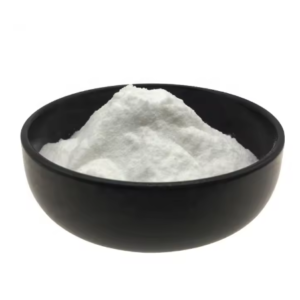
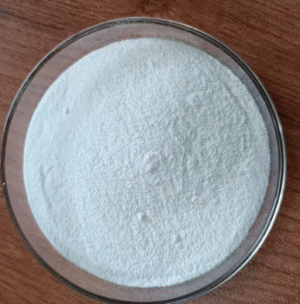
Appearance
|
White powder
|
Conforms
|
Organoleptic
|
|
Odor & taste
|
Characteristic
|
Conforms
|
Organoleptic
|
|
Mesh size
|
Through 80 mesh
|
Conforms
|
80 mesh screen
|
|
Assay
|
≥98.00%
|
99.14%
|
HPLC
|
|
Loss on Drying
|
≤2.00%
|
0.32%
|
Drying Method
|
|
Ash
|
≤2.00%
|
0.08%
|
Ash Method
|
|
Heavy metals
|
|||
|
Total Heavy Metals
|
≤10ppm
|
Conforms
|
|
|
Arsenic
|
≤1ppm
|
Conforms
|
GF AAS
|
|
Lead
|
≤2ppm
|
Conforms
|
AFS
|
|
Cadmium
|
≤1ppm
|
Conforms
|
AFS
|
|
Hygrargyrum
|
≤0.1ppm
|
Conforms
|
AFS
|
|
Microbiological Tests
|
|||
|
Total Plate Count
|
≤1000cfu/g
|
Conforms
|
Bacterial culture
|
|
Total Yeast & Mold
|
≤100cfu/g
|
Conforms
|
Bacterial culture
|
|
E.Coli
|
Negative
|
Conforms
|
Bacterial culture
|
|
Salmonella
|
Negative
|
Conforms
|
Bacterial culture
|
|
Staphylococcus
|
Negative
|
Conforms
|
Bacterial culture
|
Package:
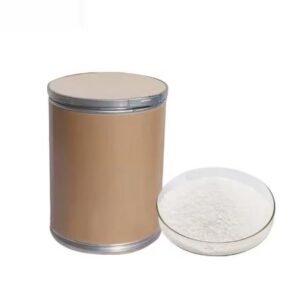
1kg / 25kg bucket
Palletized Shipping
Lead Time: 1-7 Days
Shipping Methods: Sea/Air/Express delivery