Address
Room 2301C, 23rd Floor, Building 1, jinghu Commercial center, No, 34, Liangzhuang Street, Eri District, Zhengzhou City, Henan province
Work Hours
Monday to Friday: 7AM - 7PM
Weekend: 10AM - 5PM
Address
Room 2301C, 23rd Floor, Building 1, jinghu Commercial center, No, 34, Liangzhuang Street, Eri District, Zhengzhou City, Henan province
Work Hours
Monday to Friday: 7AM - 7PM
Weekend: 10AM - 5PM

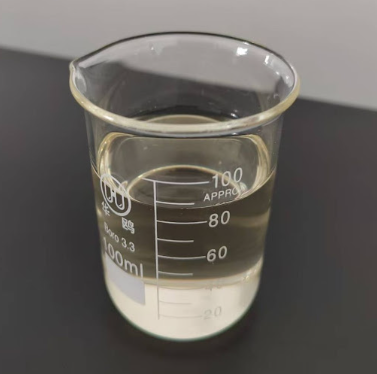
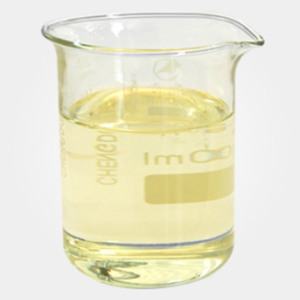
Sodium sarcosinate—chemically known as sodium N-methylaminoacetate—is an important organic chemical intermediate and amino acid derivative. Under standard temperature and pressure, it typically appears as a colorless to pale yellow transparent liquid or a white crystalline powder. This substance exhibits extremely high water solubility and is slightly soluble in ethanol; its aqueous solution is alkaline, and it presents low irritation to the skin and eyes while being readily biodegradable.
Function
Sodium sarcosinate serves as a core raw material in the production of amino acid-based surfactants. Through acylation reactions, sodium sarcosinate reacts with fatty acids—such as lauric acid or coconut fatty acid—to yield products like sodium N-lauroyl sarcosinate and sodium N-cocoyl sarcosinate. These surfactants exhibit excellent foaming, emulsifying, and detergency capabilities. Furthermore, owing to the presence of amino acid groups within their molecular structures, they demonstrate exceptional compatibility with human skin, possess very low irritation potential for both skin and eyes, and are highly biodegradable. Consequently, they are widely utilized in the formulation of mild facial cleansers, toothpastes, shampoos, body washes, and baby care products, making them a highly favored choice among individuals with sensitive skin.
In the pharmaceutical and health supplement sectors, sodium sarcosinate is primarily employed in the synthesis of creatine monohydrate. Creatine is a widely used sports nutrition supplement known for its ability to enhance muscle strength, promote protein synthesis, delay fatigue, and aid in physical recovery; it is frequently utilized by athletes and fitness enthusiasts. Additionally, sodium sarcosinate itself can function as a food additive, serving to enhance food flavor or acting as a preservative and freshness agent to prevent fermentation and spoilage during storage.
In the industrial sphere, sodium sarcosinate and its derivatives fulfill a variety of functions. It can be utilized as a dyeing auxiliary to improve the uptake and fixation rates of dyes on textile fibers.
Within the fields of metal processing and lubricants, sodium sarcosinate acts as an excellent rust inhibitor and corrosion inhibitor, effectively preventing rust formation on metal surfaces. Moreover, it serves as a dyeing auxiliary, an antistatic agent, and a softening agent, finding extensive application in industries such as textile printing and dyeing, as well as industrial cleaning.
|
Test Item
|
Technical Specification
|
|
Appearance
|
Colorless or primrose yellow liquid
|
|
Colorimetric
|
0-50 Colour Grade
|
|
Assay
|
38.5-40.5%
|
|
PH
|
12.5-13.5
|
|
Content of Formaldehyde
|
≤100PPM
|
|
Content of Monomethylamine
|
≤50PPM
|
|
Content of free CN-
|
≤10PPM
|
|
Content of free Sodium hydroxide
|
≤3%
|
Package:
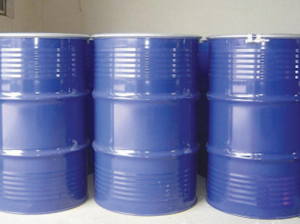
1kg /25kg Bucket
Palletized Shipping
Lead Time: 1-7 Days
Shipping Methods: Sea/Air/Express delivery