Address
Room 2301C, 23rd Floor, Building 1, jinghu Commercial center, No, 34, Liangzhuang Street, Eri District, Zhengzhou City, Henan province
Work Hours
Monday to Friday: 7AM - 7PM
Weekend: 10AM - 5PM
Address
Room 2301C, 23rd Floor, Building 1, jinghu Commercial center, No, 34, Liangzhuang Street, Eri District, Zhengzhou City, Henan province
Work Hours
Monday to Friday: 7AM - 7PM
Weekend: 10AM - 5PM

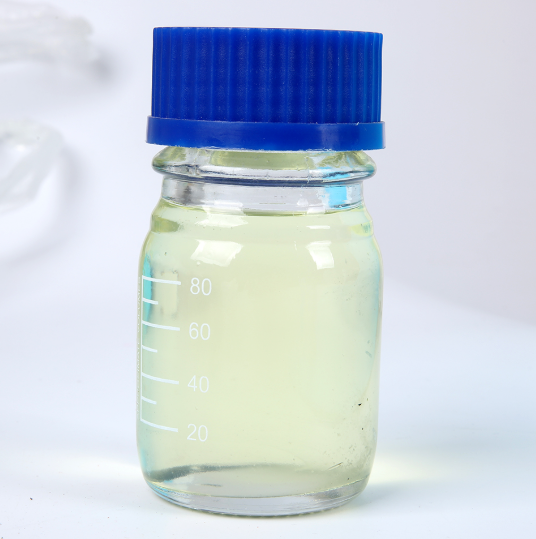
n-Octyltrimethoxysilane is an organosilicon compound classified as a silane coupling agent. Its molecular structure features a long-chain n-octyl group at one end and three hydrolyzable methoxy groups at the other. This unique “amphiphilic” structure—hydrophilic on one side and lipophilic on the other—allows it to act as a bridge, tightly bonding inorganic materials (such as glass, concrete, and metal) with organic materials (such as plastics, rubber, and resins) and thereby enhancing their interfacial adhesion.
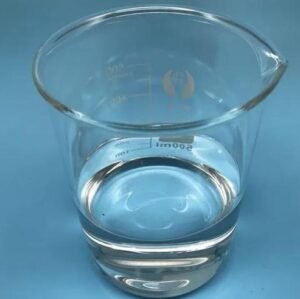
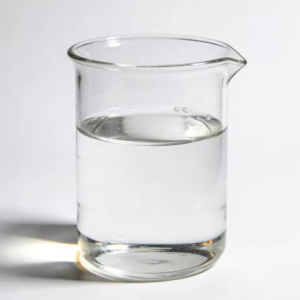
At room temperature, the substance appears as a colorless, transparent liquid with low surface tension, enabling it to rapidly wet solid surfaces. It finds wide application in sectors such as construction, chemicals, and electronics. In the construction industry, it is commonly used as a waterproofing agent for concrete and stone; it penetrates deeply to form a dense, hydrophobic layer that effectively prevents moisture ingress and steel reinforcement corrosion. In industrial applications, it serves as a surface modifier for inorganic fillers, significantly improving the mechanical strength and aging resistance of composite materials like plastics and rubber.
Comparable Products:
Dow Corning Z-6665
Evonik: OCTMO
Preparation method
Two main process routes are employed for the industrial production of n-octyltrimethoxysilane. One is the traditional Grignard reagent method, which typically utilizes n-octyl bromide and tetramethoxysilane—or n-octylchlorosilane and sodium methoxide—as raw materials, with the reaction conducted under anhydrous and anaerobic conditions. Due to the extreme sensitivity of Grignard reagents to moisture and air, this process requires stringent reaction conditions and the use of flammable solvents such as diethyl ether, resulting in relatively complex post-processing. The other route is the more advanced hydrosilylation method, which uses trimethoxysilane and 1-octene as raw materials to undergo an addition reaction catalyzed by platinum (e.g., chloroplatinic acid). Compared to the Grignard method, hydrosilylation involves fewer reaction steps, generates fewer by-products (primarily ethanol), and offers higher yields, making it more suitable for large-scale industrial production.
In the construction industry, n-octyltrimethoxysilane serves as a highly efficient penetrating waterproofing agent. It penetrates deeply into the internal capillary pores of porous substrates such as concrete and stone. Triggered by the alkaline environment within the substrate and atmospheric moisture, the silane undergoes hydrolysis and polycondensation reactions, forming a water-insoluble, network-like siloxane film within the capillary pores. This film significantly reduces the substrate’s water absorption and effectively blocks the penetration of rainwater, chloride ions, and chemical pollutants, thereby delaying rebar corrosion and concrete carbonation while extending the building’s service life. This protective method preserves the substrate’s original appearance and breathability, making it a common choice for protecting bridges, tunnels, and historical structures.
In the plastics, rubber, and coatings industries, n-octyltrimethoxysilane is frequently used as a surface modifier for inorganic fillers. Many inorganic fillers (such as calcium carbonate, talc, and silica) have hydrophilic surfaces that are poorly compatible with hydrophobic organic resins; they tend to agglomerate within the resin, leading to degraded composite material performance. Treating these fillers with the silane creates a hydrophobic organosilicon layer on their surfaces, improving dispersion and wettability within the resin and facilitating better bonding. This not only enhances the composite material’s mechanical strength, heat resistance, and weatherability but also improves processing flowability.
In the electronics industry, n-octyltrimethoxysilane is utilized in semiconductor packaging materials and electronic potting compounds. Leveraging its excellent hydrophobicity and dielectric properties, it enhances the moisture resistance and insulation of electronic components, ensuring the stability of electronic devices in humid environments. In the cosmetics sector, it serves as a water- and stain-repellent agent in products such as sunscreens, mascaras, and eyeliners. The hydrophobic effect of its long-chain alkyl group improves the product’s adhesion and water resistance on the skin or eyelashes, making it less prone to flaking or smudging.
Technical Specifications:
|
Item
|
Standard
|
Results
|
|
Appearance
|
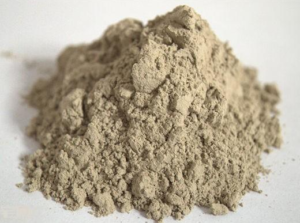
white powder
|
White powder
|
|
content,%
|
99.5%-100.5%
|
99.9%
|
|
Water,%
|
0.01
|
0.001
|
|
Ignition residue ,%
|
0.001
|
Pass
|
Package:
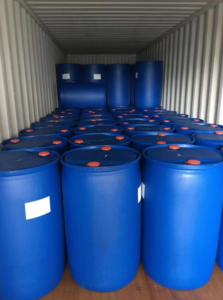
1Kg / 200Kg Bucket
Palletized Shipping
Lead Time: 1-7 Days
Shipping Methods: Sea/Air/Express delivery