Address
Room 2301C, 23rd Floor, Building 1, jinghu Commercial center, No, 34, Liangzhuang Street, Eri District, Zhengzhou City, Henan province
Work Hours
Monday to Friday: 7AM - 7PM
Weekend: 10AM - 5PM
Address
Room 2301C, 23rd Floor, Building 1, jinghu Commercial center, No, 34, Liangzhuang Street, Eri District, Zhengzhou City, Henan province
Work Hours
Monday to Friday: 7AM - 7PM
Weekend: 10AM - 5PM
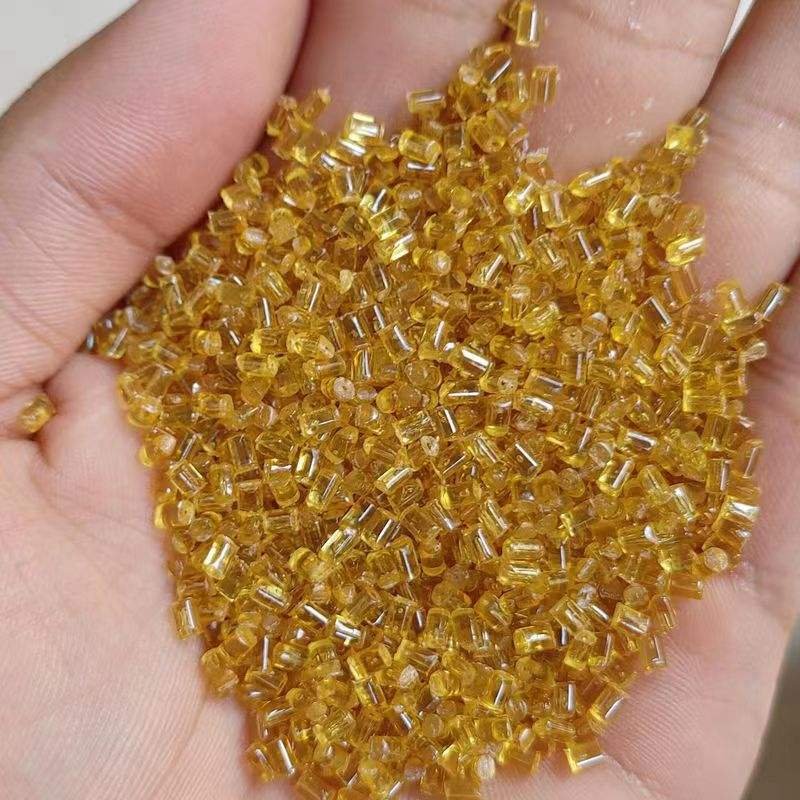
Polyetherimide (PEI) is a high-performance amorphous thermoplastic engineering plastic developed by General Electric (GE) in 1972 and commercialized in 1982 under the trade name ULTEM. PEI’s molecular structure contains ether bonds and imide rings, a unique structure that endows it with excellent high-temperature resistance, high strength, high rigidity, and good dimensional stability. As a specialty engineering plastic, PEI has wide applications in electronics, aerospace, automotive, and medical equipment, and is often used to manufacture precision components that need to maintain high performance at high temperatures, such as fiber optic connectors, aircraft interior parts, and medical surgical instruments.

PEI has wide applications in the electronics field, primarily in the manufacture of high-temperature resistant and high-reliability electronic components. Typical applications include fiber optic connectors (due to their low CTE and low optical loss), 5G base station filters, RF connector insulators, circuit boards, coil frames, and LED lamp reflectors.
With its excellent high-temperature resistance, flame retardancy, and dimensional stability, PEI is an important material in the aerospace industry. It is used to manufacture aircraft cabin interior panels, seat backs, food trays, instrument panels, and various structural components. PEI can also be used to manufacture lightweight composite materials, replacing metal parts to achieve weight reduction.
In the automotive field, PEI is mainly used to manufacture components that need to withstand high temperatures and chemical corrosion. Applications include automotive headlight lenses, taillights, fuel system components, sensor housings, ignition system parts, and high-temperature connectors around the engine.
PEI has excellent resistance to sterilization (such as autoclaving) and biocompatibility, thus playing an important role in medical device manufacturing. It is used to manufacture surgical instrument handles, sterilization trays, dental equipment, laboratory animal cages, and housings for ventilators and anesthesia machines.
| Property | Unit | Standard | Typical Value |
| Density | g/cm³ | ASTM D792 | 1.27 | ASTM D792 | #0F3047 |
| Melt Flow Rate | g/10min | ASTM D1238 | 10.0 | ASTM D1238 | 105 |
| Tensile Strength | MPa | ASTM D638 | 105 | ASTM D790 | 3700 |
| Flexural Modulus | MPa | ASTM D790 | 3700 | ASTM D256 | 45 |
| Heat Deflection Temperature | °C | ASTM D648 | 217 |
| Vicat Softening Point | °C | ASTM D1525 | ASTM D1525 | 210 |
| Shrinkage Rate | — | Visual Inspection | Amber | ASTM 9955 | 0.5–0.7 |
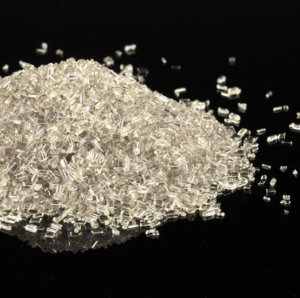
| Package | — | — | 25kg Woven Bag | Amr Transparent Cylindrical Pellets | |
| Certificate | — | — | RoHS / REACH Compliant |
Package:
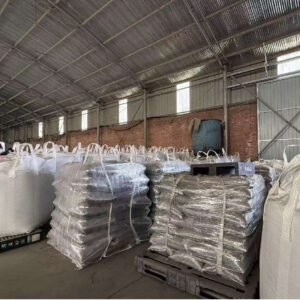
1Kg / 25Kg Bag
Palletized Shipping
Lead Time: 1-7 Days
Shipping Methods: Sea/Air/Express delivery